General Contracting
Stop Fence Feuds: Good Neighbor Fence Design with Survey, HOA, Costs
By Noah Spagnotti
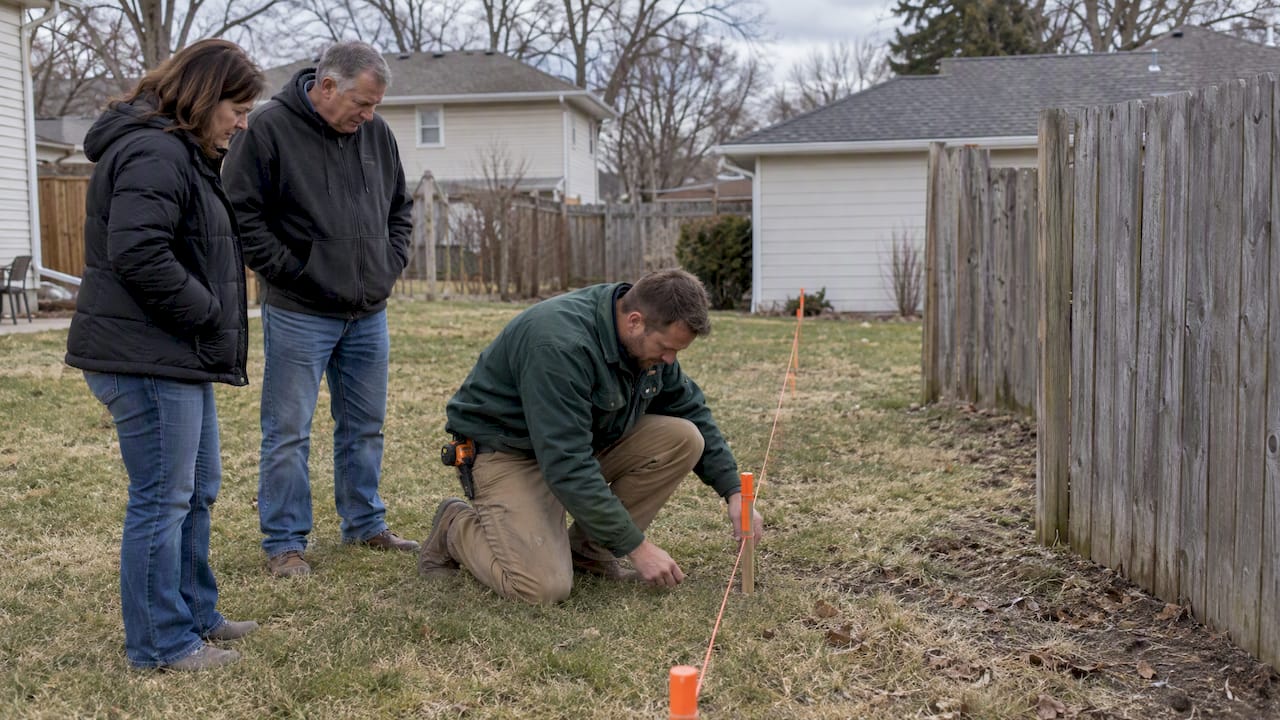
A good neighbor fence presents the same finished face to both properties, usually achieved with shadow box, board-on-board, or channel and slat systems. Before you pick a style or order materials, confirm your boundary line and check your HOA rules so the project you plan is the one you're allowed to build.
TL;DR:
Shadow box fences work well in windy areas because they allow small gaps to relieve pressure without compromising appearance.
Materials like composite or vinyl are better for shared fences since they require less maintenance and reduce neighbor disputes over staining and repairs.
Proper planning, including confirming boundary lines, HOA requirements, and obtaining necessary permits, prevents costly mistakes and disputes.
Coordinating with your neighbor by discussing design options and sharing costs upfront helps avoid future tensions and legal issues.
Using a good neighbor fence style, such as shadow box or channel system, ensures both sides see a finished surface and reduces one-sided disputes.
Which fence styles actually look finished on both sides?
Three construction methods solve the "good side, ugly side" problem, each in a different way. Shadow box fencing alternates pickets on opposite faces of the rails, so neighbors on either side see overlapping boards rather than bare framing. Board-on-board uses overlapping vertical boards set at a slight offset, which blocks sightlines completely while keeping both faces identical. Channel and slat systems take a more modern route: framed panels slide into U-channel posts, which hides the rails and fasteners that would otherwise show on one side.
Each style suits different conditions:
Shadow box works well in windy areas because small gaps between pickets relieve pressure without sacrificing the finished look.
Board-on-board suits yards that need full privacy, though it costs more in lumber since boards overlap.
Channel/slat systems fit narrow side yards and HOA developments that specifically require no exposed structural members on either face.
Common good neighbor styles include these alternating-picket, board-on-board, and channel designs, and HOA fencing guidance often points homeowners toward them precisely because they avoid a one-sided appearance.
What materials hold up best for shared fence lines?
Material choice determines how often you'll be touching up stain, patching rot, or fielding a neighbor's complaint about a sagging panel.
Wood (cedar or pressure-treated): affordable and natural-looking, but it needs re-staining every two to three years and is prone to rot at ground contact if posts aren't treated properly.
Composite: color runs through the material instead of sitting on top, so fading shows less and upkeep is minimal, though the upfront cost runs higher than wood.
Vinyl: virtually maintenance-free and easy to hose off, but color and texture options are limited, and panels can turn brittle in hard freezes.
Aluminum or metal slats: gives a clean, modern line with almost no maintenance, though it won't deliver full privacy unless the slats are set tightly together.
Pro Tip: If you and your neighbor will share upkeep, lean toward composite or vinyl. Low-maintenance materials cut down on the "whose turn is it to restain" conversations that cause most fence friction.
HOA, permit, and boundary basics every homeowner must confirm first
Skipping these checks is how homeowners end up tearing out a fence they just paid for.
Read your HOA covenant first. Many associations specifically require a finished appearance on both sides, which rules out basic picket fences with exposed rails facing one yard.
Check your municipal permit triggers. Height limits, material weight, and whether you're repairing versus fully replacing a fence can all require a permit, and rules vary by city, so confirm with your local building department (in Omaha, City of Omaha Permits & Inspections) before ordering materials.
Verify the property line before you dig. If the boundary is unclear, notify your neighbor and call a licensed surveyor; building on a disputed line risks a forced removal later.
Coordinating with your neighbor without starting a feud
A short, structured conversation avoids most fence disputes before they start. Start by mentioning you're planning the project, then present two design options so your neighbor has a real choice rather than a done deal. Confirm the permit and survey status together, agree on how costs will split, and set a timeline in writing.
Split the panel cost evenly and let each owner cover their own gate or trim upgrades.
Split post costs only, with each owner responsible for their side's finish.
Let one owner fund upgrades, such as a taller privacy section, while sharing the base fence cost.
Document whatever you agree on, even informally: a follow-up email with the estimate attached, or a one-page shared-cost memo both of you sign, prevents memory disputes down the line. If you can't reach agreement on cost or ownership after two conversations, involve your HOA or a neutral third party.
Design details that boost curb appeal without raising cost
Small finishing choices make a fence read as intentional rather than thrown together. A neutral stain color, or a color-through composite, keeps both sides matching for years without a repaint, and choosing between paint versus stain up front saves a redo later. Post caps, a simple rail wrap, and clean trim lines make a basic fence look finished from either yard.
Add a narrow planting buffer or low path lighting on both sides to soften the fence line visually.
Keep hardware and fasteners concealed wherever the style allows.
Match cap style and height along the entire run, even where panels change slightly.
Most Realtors recommend improving curb appeal before a home goes on the market, and tidy, well-maintained outdoor features like fences are commonly part of that advice.
Contractor-tested checklist for planning and installing your fence
Before any post goes in the ground, call 811 to mark utility lines, confirm your survey, double check HOA covenants, and get your neighbor's agreement in writing. Proper post depth and treated lumber at ground contact, backed by correct concrete backfill, are what actually keep a fence from leaning within a few years.
Call 811 and confirm underground utilities before digging any post holes.
Use treated posts at ground contact even on an otherwise untreated wood fence.
Replace a single rotted post rather than the whole section when rot is localized; see our guide to fixing rotted fence posts for the quick-repair window.
Pro Tip: A loose or leaning post usually means the concrete footing was too shallow. Resetting it correctly now is far cheaper than replacing an entire panel later.
Why cooperation beats a fast fence every time
The homeowners who skip the neighbor conversation almost always pay for it later, whether that's a forced teardown over a boundary dispute or years of tension over a fence nobody agreed on. A little coordination up front costs an afternoon. Low-maintenance materials cost more today but save you from the slow resentment that builds when one side keeps restaining and the other doesn't. Good neighbor design isn't really about the fence. It's about not having to think about it again.
— Noah
Get a fence estimate from Spagnotti Contracting
We handle fence installation and repair for homeowners in the Omaha metro area, building our work around thorough planning steps such as checking boundaries, reviewing HOA requirements, and coordinating permits before any work begins. A site visit lets us walk your property line, flag anything your HOA covenant requires, and talk through design options that work for both your yard and your neighbor's.
When you book a consultation, we check local permit requirements and confirm whether your project requires permits before work starts, helping to avoid mid-project code issues. Our fence permit guide for the Omaha area covers what triggers a permit locally if you want to look before you call.
Request a site visit and estimate through our fence installation and repair page.
Browse privacy-focused layouts in our privacy fence ideas guide if you're still deciding on style.
See our full project list on our services overview if you're planning other work alongside the fence.
Reach out through our contact page if you'd rather talk through your project before scheduling a visit.
FAQ
What fence color adds the most value?
Neutral, natural tones like cedar brown or soft gray tend to match the widest range of homes and read as well-kept from the street. Most Realtors recommend improving curb appeal before listing, and a clean, consistently colored fence supports that goal more than a bold or trend-driven shade.
What is a good neighbor-friendly fence?
A good neighbor fence is a boundary fence built to show the same finished appearance to both properties, with no exposed rails or fasteners on either side. Shadow box, board-on-board, and channel-and-slat systems are the three designs most commonly used to achieve that look.
What are some new fence design trends?
Framed channel and slat systems have grown popular because they hide structural framing entirely while giving a cleaner, more modern line than traditional picket styles. Color-through composite panels are also gaining ground since they keep their appearance on both sides without repeated staining.
Which neighbor gets the good side of the fence?
With a true good neighbor design, neither side gets a "bad" face since both yards see the same finished surface. This is the main reason HOAs often favor these designs: they remove the one-sided appearance that leads to disputes in the first place.
Sources
Remodeling Impact Report: Outdoor features - National Association of Realtors
Handbook of Florida Fence and Property Law: Boundaries and Possession - IFAS Extension
Recommended
Dealing With Something Similar?
Every property is different, but if this sounds like what you’re seeing, we’re happy to take a look and help you figure out what’s actually going on.