General Contracting
Paint vs Stain Exterior: A Homeowner's Decision Guide
By Noah Spagnotti
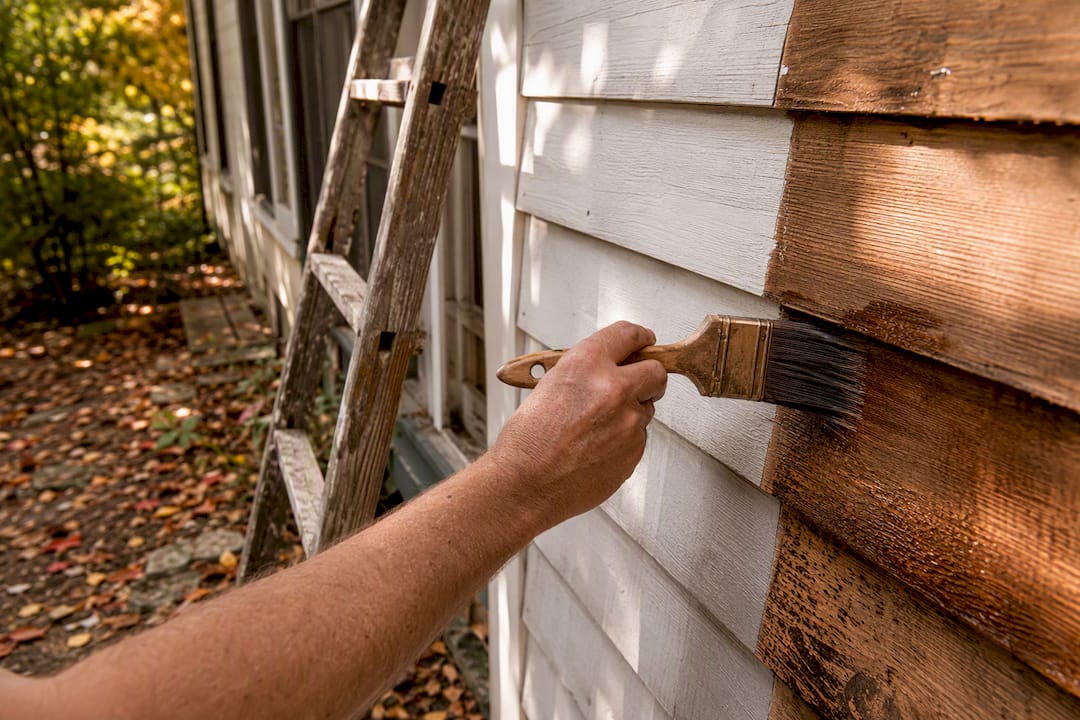
Paint wins when you want long-term UV and moisture protection with an opaque color, especially on smooth siding and trim. Stain wins when you want the wood grain to show and you’re fine with more frequent, easier touch-ups, especially on decks, fences, and rough-sawn wood.
Here’s the short version for the surfaces homeowners ask about most:
Siding (smooth, previously painted): Paint. It blocks UV and sheds water best on a stable, flat surface.
Trim and fascia: Paint. It hides seams, caulk lines, and repairs cleanly.
Decks: Semitransparent penetrating stain. Easier to spot-repair after foot traffic wears it down.
Fences (cedar, rough-sawn): Semitransparent stain. Rough wood grabs stain well and doesn’t need a film coat.
Weathered or rough-sawn siding: Stain, unless you specifically want opaque color and are ready for full prep.
Key Takeaways
Paint delivers the longest protection interval on smooth, stable wood, while penetrating stain trades some UV blocking for easier long-term maintenance on rough or high-movement surfaces.
Point | Details |
|---|---|
Match finish to surface | Paint for smooth siding and trim; semitransparent stain for decks, fences, and rough-sawn wood. |
Paint lasts longest, but fails hard | A primed two-coat paint job runs 7 to 10 years but can peel suddenly if moisture gets trapped. |
Stain fades gradually | One coat of semitransparent stain typically lasts 2 to 5 years, with easier spot repairs than paint. |
Prep drives cost and lifespan | Rot repair, cleaning, and priming affect performance and price more than the product you choose. |
Get a professional assessment | Spagnotti Contracting evaluates substrate condition and recommends the right paint or stain system before quoting a project. |
Table of Contents
Paint vs Stain Exterior: How Each One Actually Protects Wood
Types of Exterior Paint and Stain You’ll Run Into
Which Finish Actually Lasts Longer on a House?
What Else Should Factor Into Your Decision?
How Do You Prep and Apply Paint or Stain the Right Way?
What Do Costs and Maintenance Actually Look Like?
Which Finish Fits Your Specific Job?
When Should You Call a Contractor Instead of DIY?
What Do Contractors Wish Homeowners Knew Before Starting?
Get an Exterior Estimate That Accounts for Prep, Not Just Paint
Frequently Asked Questions
Sources
Paint vs Stain Exterior: How Each One Actually Protects Wood
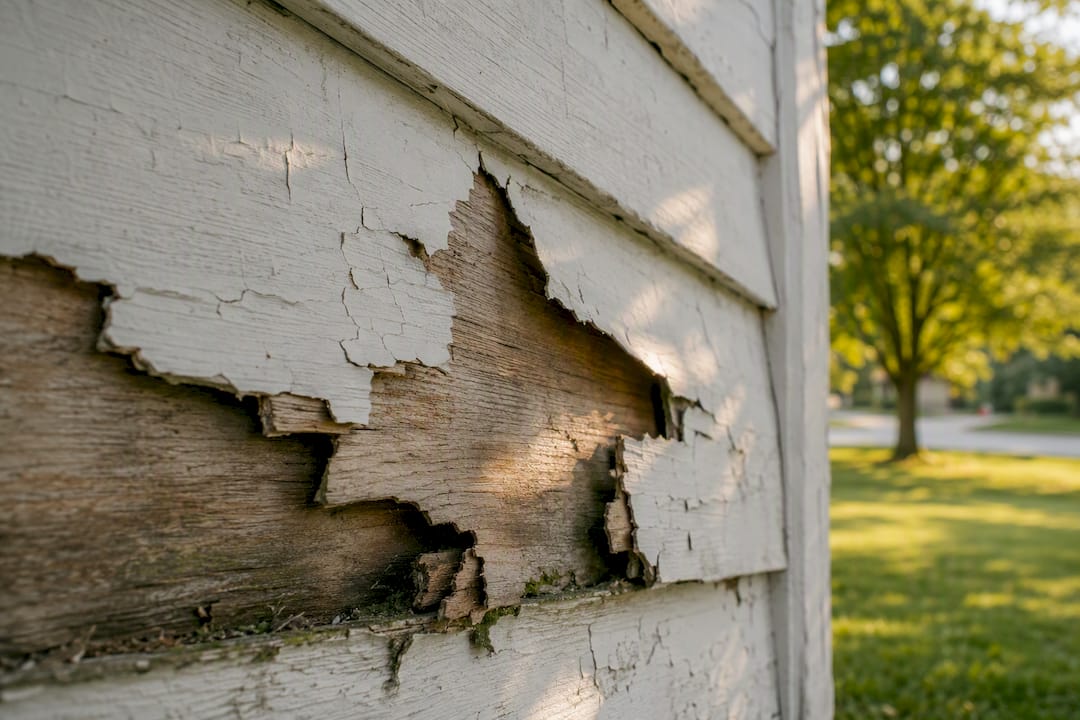
Paint and solid stain are both “film-forming” finishes. They cure into a continuous layer on top of the wood that blocks ultraviolet light and sheds water. That film is what gives paint its long service life when it’s applied over solid prep, but it’s also the film’s weak point. If moisture gets trapped underneath, through a crack, an unsealed joint, or wood that wasn’t fully dry, the film can blister and peel in sheets.
Penetrating finishes work the opposite way. Semitransparent oil stains and water-repellent preservatives (WRPs) soak into the wood fibers instead of sitting on top. According to Sherwin-Williams’ finish guidance, this lets the wood keep breathing, so there’s no film to crack or peel. The tradeoff is less UV blocking, which means the color fades gradually instead of holding a hard line until it suddenly fails.
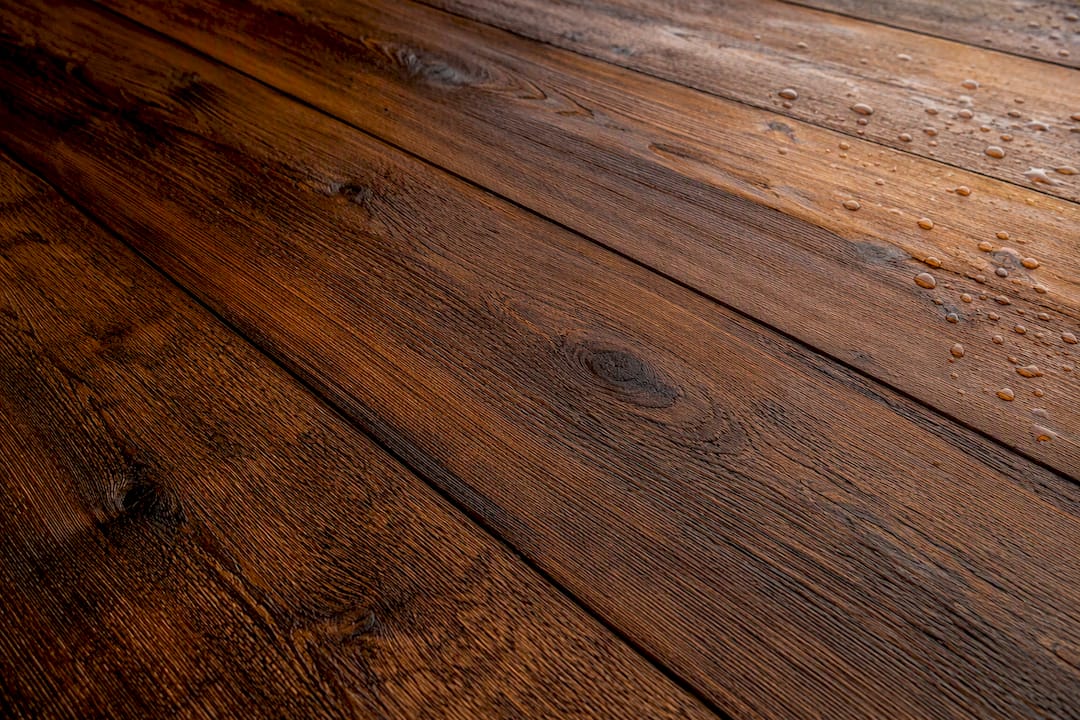
Think of it as a raincoat versus sunscreen. A raincoat (paint) blocks everything until it tears, then water gets in fast. Sunscreen (stain) wears down evenly and just needs reapplying.
Pro Tip: Match the finish to how much the wood moves. Rough-sawn cedar and old-growth lumber expand and contract more with humidity, and a rigid paint film fights that movement. Stain flexes with the wood instead of fighting it.
Types of Exterior Paint and Stain You’ll Run Into
Contractors and paint counters use specific terms, and knowing them helps you read an estimate correctly.
Exterior acrylic latex paint: The standard for siding and trim; flexible, breathable enough for most climates, and the most common recommendation for painted surfaces.
Oil/alkyd paint: Harder finish, better leveling on trim, but less flexible and increasingly replaced by high-quality acrylics.
Solid color stain: Heavier pigment load than semitransparent stain; it hides grain almost like paint and, per Purdue Extension’s finish research, can peel under some conditions the same way paint does.
Semi-solid stain: A middle ground, some grain shows through a tinted, semi-opaque coat.
Semitransparent penetrating stain: Lets wood grain show fully; the go-to for decks, fences, and rough lumber.
Water-repellent preservatives (WRPs): Clear or lightly tinted, mainly used to protect end-grain and raw wood before another finish goes on.
Solid stains often need a primer because of their higher pigment load, while semitransparent stains typically don’t. Paint almost always needs a primer coat on bare or previously bare wood.
Which Finish Actually Lasts Longer on a House?
A properly primed paint job with two topcoats can run 7 to 10 years before it needs a full recoat, the longest interval of any common exterior finish. Semitransparent penetrating stains land on the other end: a single coat on rough siding typically lasts 2 to 5 years, though a two-coat application can stretch that to 7 or 8 years in favorable exposures.
Finish Type | Typical Years Between Recoats | Key Caveat |
|---|---|---|
Quality paint (primed, 2 coats) | 7–10 years | Can fail suddenly via peeling if moisture gets behind the film |
Solid color stain | 4–8 years | Behaves like thin paint; can also peel |
Semitransparent penetrating stain (1 coat) | 2–5 years | No peeling, just gradual fading |
Semitransparent stain (2 coats) | Up to 7–8 years | Requires second coat before the first fully dries |
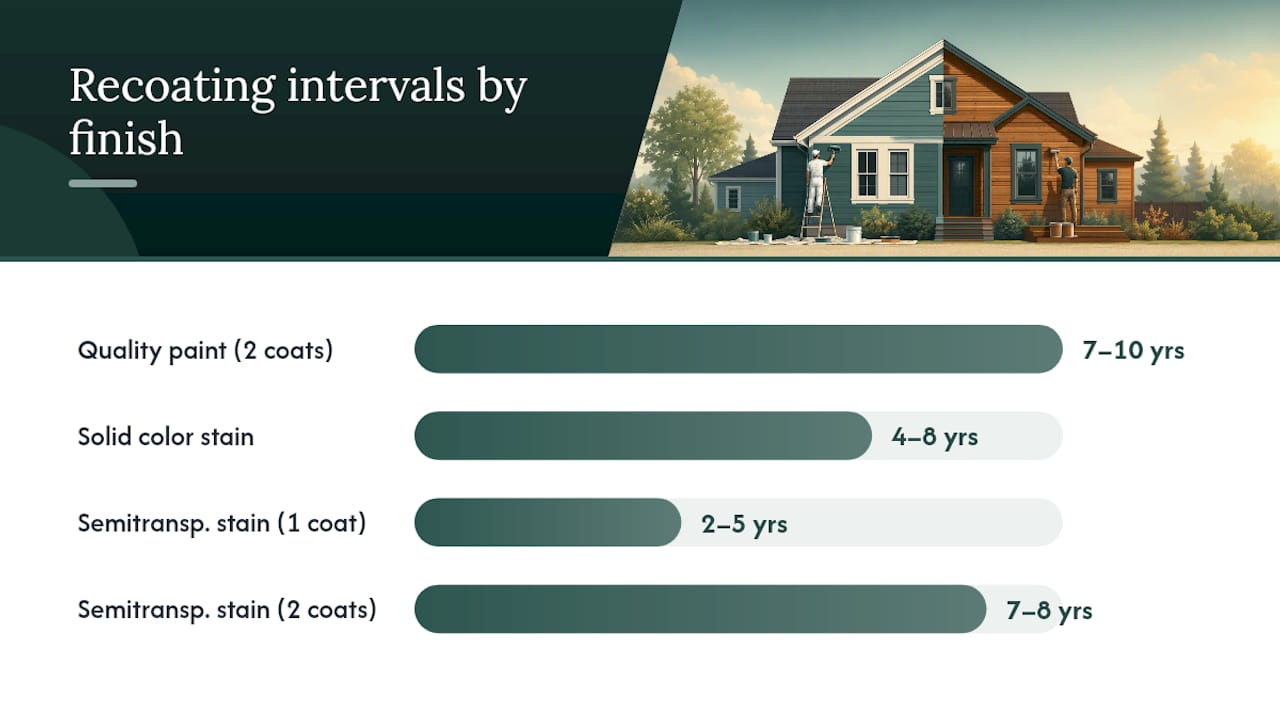
Those ranges shrink fast under the wrong conditions. South and west-facing walls take the harshest sun and burn through UV protection quicker. Decks with heavy foot traffic wear through any finish faster than a vertical wall does. Poor prep, painting over damp wood, skipping primer, skipping cleaning, undercuts even premium products.
Quality and application matter as much as the product label. A two-coat system with proper priming consistently outlasts a single-coat job of the same product, whether you’re talking paint or stain.
What Else Should Factor Into Your Decision?
Before you pick a can off the shelf, walk your house and answer a few questions honestly.
Is the wood new, weathered, or already coated? New cedar or fir takes stain beautifully. Weathered gray wood needs cleaning and often a brightener before anything will adhere well. Previously painted wood that’s failing (chalking, cracking, peeling) usually needs to stay in the paint family since stain won’t bond reliably over old paint film.
Appearance matters too. If you want a crisp white farmhouse look or need to hide patched siding and mismatched boards, paint is the only finish that delivers full opacity. If you bought or built with nice cedar or redwood specifically for the grain, painting over it wastes the material.
Budget breaks down differently than most homeowners expect. Stain often costs less per gallon, but paint’s longer recoat cycle can mean lower cost per year of protection. The real budget swing usually comes from prep, not the finish itself, sanding, scraping, priming, and replacing rotted boards can cost more than the paint or stain combined. Spagnotti Contracting has broken down what actually drives painting estimates up or down if you want to see where that money typically goes.
Pro Tip: Press a screwdriver tip gently into suspect boards, window sills, and the bottom few inches of siding. If it sinks in easily or crumbles, that’s rot, and no finish fixes it. That section needs replacement, not refinishing.
How Do You Prep and Apply Paint or Stain the Right Way?
Performance comes down almost entirely to prep and timing, more than which product you buy.
Clean the surface. Remove dirt, mildew, and chalking residue with a wash appropriate to the surface; pressure washing works for siding but can gouge soft, weathered wood.
Repair rot and damaged boards before doing anything else. No finish bonds to compromised wood.
Treat end-grain and cut edges with a water-repellent preservative. Most homeowners skip this step, yet it measurably reduces swelling and premature film failure at joints and butt ends.
Prime where needed. Bare wood going under paint or solid stain almost always needs it; semitransparent stains generally skip this step.
Apply in the right window. Both product types need a specific temperature range, and painting in direct afternoon sun or right before rain undercuts adhesion no matter how good the product is.
Back-brush every coat to work the finish into the grain instead of letting it sit on the surface. For penetrating stains, apply the second coat before the first fully dries, once it’s dry to the touch, it won’t absorb a second application evenly. Oil-based stain rags can spontaneously combust as they dry; lay them flat outside or soak them in water before disposal.
Pro Tip: Lap marks happen when you stop mid-wall and the edge dries before you pick it back up. Always work wet edge to wet edge, and plan your stopping points at natural breaks like corners or window trim.
What Do Costs and Maintenance Actually Look Like?
Material and labor together for a full exterior paint job on a mid-size house typically run into the thousands, with prep work, not paint, usually the biggest swing factor. Rotted trim, extensive scraping, or hard-to-reach gables all push estimates up before a drop of finish goes on. Staining tends to cost less upfront since it usually skips heavy scraping and priming, but the recoat cycle comes around sooner.
On maintenance: paint generally holds for 7 to 10 years before a full recoat, solid stain for 4 to 8, and semitransparent penetrating stain for 2 to 5 years per coat. South-facing walls and deck surfaces shrink all three intervals.
Get itemized prep costs separated from finish costs on any bid you receive.
Ask what happens if rot is found once work starts, and how that changes the price.
Compare warranty terms, not just the sticker price, between bids.
Pro Tip: A bid that’s dramatically cheaper than others is usually cutting prep, not offering a better deal. Ask each contractor to itemize scraping, priming, and repair line by line before comparing totals.
Which Finish Fits Your Specific Job?
Match your situation to one of these:
Smooth siding you want painted a solid color, or that already has failing paint: Repaint with primer and two topcoats.
New or bare cedar/redwood fence: Semitransparent penetrating stain to show off the grain.
Deck with heavy foot traffic: Semitransparent or solid stain, easier to spot-refresh than repainting a whole deck.
Rough-sawn siding or trim where you want opacity without heavy buildup: Solid stain.
Surface previously stained and still in good shape: Stick with stain; switching to paint means stripping first.
On compatibility: you generally can’t put a clear or semitransparent stain over an existing paint film, it needs bare or near-bare wood to penetrate. Paint can go over solid stain in most cases, but always test a small hidden area first and check for adhesion issues before committing to the whole house.
When Should You Call a Contractor Instead of DIY?
Some jobs are worth handing off. Extensive rot, second-story or steep-roof access, multiple substrate types on one house, or a desire for a workmanship warranty are all good reasons to call a professional rather than spend a weekend on a ladder.
When interviewing a contractor, ask specifically:
What’s included in prep, and is it itemized separately from the finish cost?
Which brands and finish types do they recommend for your specific wood and exposure?
Do they offer a workmanship warranty, and for how long?
What’s the realistic timeline given weather and drying windows?
A general contractor like Spagnotti Contracting handles more than the paint job itself, coordinating siding repairs, trim carpentry, and finish work under one point of contact instead of juggling separate crews for each piece.
What Do Contractors Wish Homeowners Knew Before Starting?
The mistake I see most often is homeowners skipping prep to save a weekend, then wondering why the paint peels in year two instead of year eight. Exposure gets underestimated constantly too; a south wall in full sun needs different planning than a shaded north wall, and treating them the same wastes money.
What actually extends finish life isn’t the premium product, it’s a good primer, treated end-grain, and an honest maintenance plan you’ll actually follow.
Get an Exterior Estimate That Accounts for Prep, Not Just Paint
Spagnotti Contracting builds every exterior estimate around what your specific wood and exposure actually need, not a flat per-square-foot number that ignores prep. That’s the gap that trips up most DIY budgets and a lot of contractor bids: prep costs get buried or skipped entirely, and the finish fails early because of it.

An on-site assessment covers substrate condition board by board, flags any rot or moisture issues before they’re painted over, and specifies the right primer, paint, or stain system for your siding, trim, deck, or fence. You’ll get an itemized breakdown of prep, materials, and timeline before any work starts.
If your siding shows signs of failing beyond what a fresh coat can fix, it’s worth confirming that before committing to a finish. Request a quote through Spagnotti Contracting’s painting services page to get a straight answer on whether your project needs refinishing, repair, or both.
Frequently Asked Questions
Can you put stain over paint on exterior wood? Not effectively. Stain needs to penetrate bare wood fibers, and an existing paint film blocks that. You’d need to strip the paint first.
Can you paint over stain? Usually yes, especially over solid stain, but test a hidden area first. Semitransparent stains that never formed a film sometimes accept paint poorly without extra prep.
Which is better for siding, paint or stain? Paint is generally better for smooth, previously painted siding where you want long-lasting color and moisture protection. Stain suits rough-sawn or natural wood siding where grain visibility matters.
How often should you restain a deck? Every 2 to 5 years for one coat of semitransparent stain, depending on foot traffic and sun exposure; two coats can extend that interval further.
Is oil or latex paint better for exteriors? Acrylic latex is the standard choice for most exterior siding and trim today, offering better flexibility than oil-based paint as wood expands and contracts with weather.
Sources
How to Choose & Apply Exterior Wood Finishes, Paints, Stains (InspectAPedia)
Exterior Finish Guide | Whether to Weather | Sherwin‑Williams
Recommended
Dealing With Something Similar?
Every property is different, but if this sounds like what you’re seeing, we’re happy to take a look and help you figure out what’s actually going on.