Windows & Doors
When to Replace Windows: Signs, Lifespan, and Payoff
By Noah Spagnotti
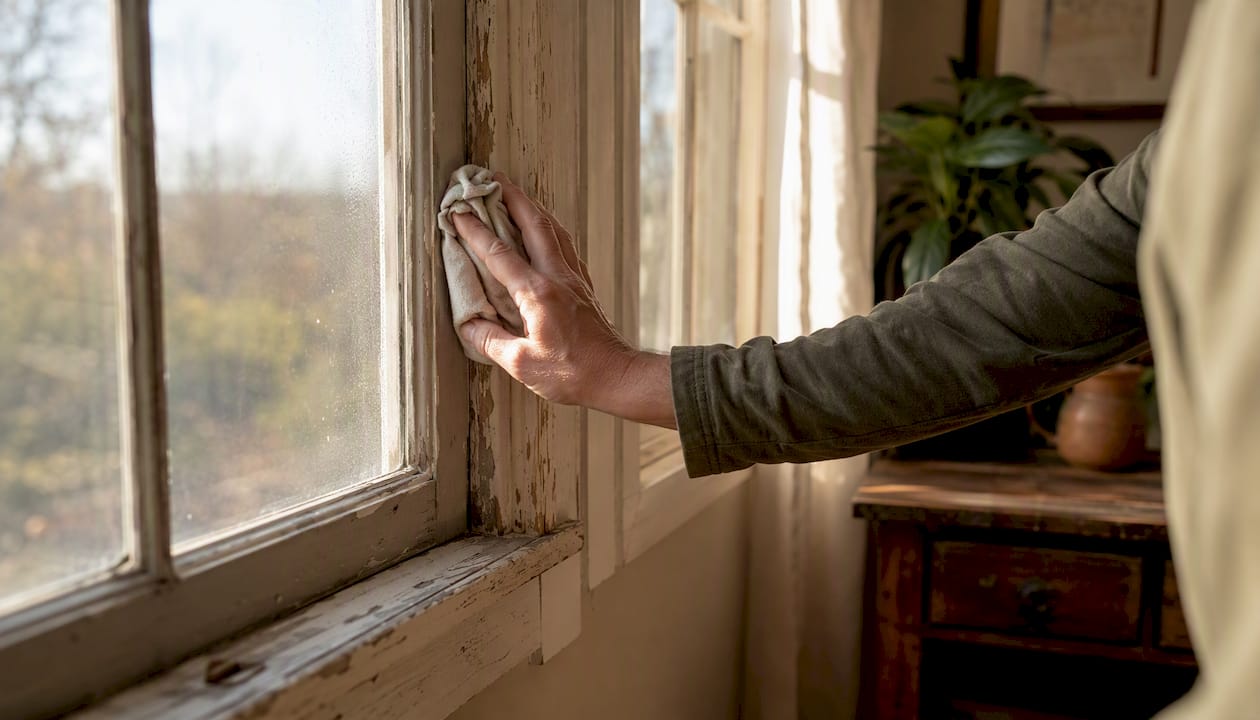
Replace your windows when the seals have failed, the frames show rot or won’t stay closed, or you’re calling a repair tech for the third time in two years. One clear sign is enough to justify getting estimates. Two or three together mean you’re past the point where patching makes sense.
The Department of Energy recommends buying the most efficient windows you can afford, prioritized by climate: insulation value in cold regions, solar heat control in hot ones. That’s the standard against which every “should I replace or repair” decision gets measured. ENERGY STAR adds a sharper point: windows make up only a small slice of a home’s exterior surface, but they account for a disproportionate share of heating and cooling energy loss. A drafty or fogged window isn’t just annoying. It’s actively working against your furnace and your air conditioner every single day.
Three signs mean you should stop deliberating and start getting quotes:
Water intrusion or wood rot around the frame or sill, especially if the wood feels soft or spongy when you press it.
Fogging or condensation trapped between the panes, which means the insulating seal has failed and the gas fill is gone.
Frames that are swollen, warped, or won’t latch, making the window difficult or unsafe to operate.
If your home was built before 1978, there’s a fourth trigger that overrides the others: lead paint risk. The EPA warns that disturbing old painted trim and sashes during removal can release lead dust, so replacement work on older homes needs a contractor who follows lead-safe practices, not just a handy neighbor with a pry bar.
Windows account for a large share of a home’s heating and cooling energy use relative to their small footprint on the exterior wall, which is why a failing seal shows up on your utility bill long before it shows up as a visible problem.
Key Takeaways
Replace windows when seals have failed, frames show rot or won’t operate properly, or repeated repairs no longer make financial sense compared to the cost of new units.
Point | Details |
|---|---|
Watch for the big three | Water intrusion, fogged seals, and frames that won’t open or close are the clearest replacement triggers. |
Lifespan varies by material | Fiberglass and wood frames can last about 20 years; aluminum and failed double-pane seals often need attention within 20 years. |
Use the 50% rule | If a repair quote approaches half the cost of full replacement, replacement is usually the better long-term value. |
Energy savings are part of the case, not all of it | Comfort, noise reduction, and damage prevention often matter as much as the utility bill savings. |
Get a local, straight-talking estimate | Spagnotti Contracting inspects the whole opening, not just the glass, and scopes siding or trim work together when it affects the outcome. |
Table of Contents
How Long Do Windows Last? Signs You Need New Windows Now
How Long Do Windows Last by Material Type?
Repair or Replace? A Decision Framework That Actually Works
Does Replacing Windows Pay for Itself?
What to Prioritize When Buying Replacement Windows
Simple Maintenance That Delays Replacement
A Contractor’s View: What We See Most Often in the Field
Ready to Get an Estimate? What to Expect
Sources
How Long Do Windows Last? Signs You Need New Windows Now
Most homeowners don’t wake up one day and decide to replace windows. It’s a slow accumulation of small annoyances until one day you add them up and realize the house is fighting you. Here’s the full list, ranked roughly by urgency.
Drafts you can feel with your hand. Hold your palm an inch from the sash on a windy day. If you feel air movement even with the window fully latched, the weatherstripping has compressed or the frame has shifted out of square. This is often fixable, not always a replacement trigger.
Condensation between the panes. This is different from fog on the inside surface (which is just humidity in your house). Moisture trapped inside a double-pane unit means the seal has failed and the argon or air fill has escaped. This Old House notes that seal failures commonly show up 10 to 20 years after installation, and once it happens, that pane has lost its insulating value permanently. No amount of cleaning fixes fogged glass from the inside.
Windows that won’t open, close, or lock properly. Painted-shut sashes, swollen wood frames, or vinyl that’s warped from sun exposure all fall here. Sometimes it’s a hardware fix. Sometimes the frame itself has racked out of square and no amount of adjustment will correct it.
Visible damage: cracked glass, rotted wood, or corroded aluminum. Physical damage rarely improves with time. A cracked pane invites water in behind it, and rot spreads.
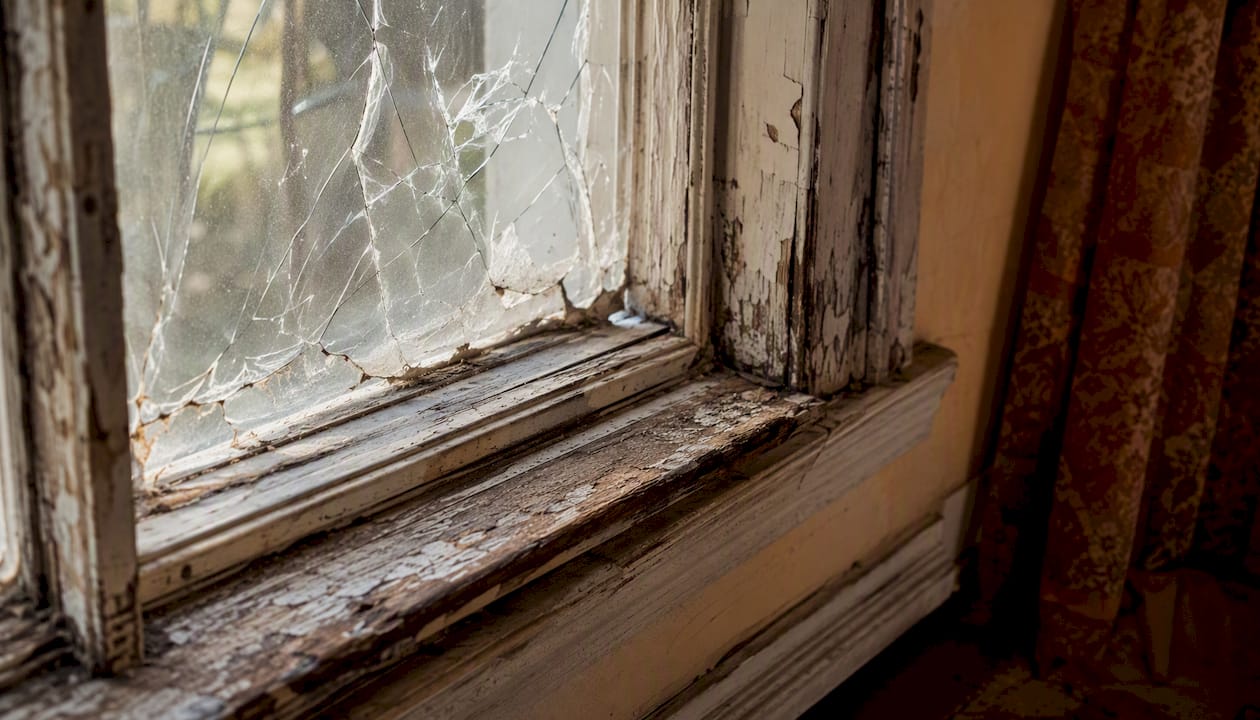
Water stains on the wall or sill below the window. This can mean flashing failure, siding problems, or a failed window seal, and you need a proper diagnosis before assuming the window itself is the culprit.
Noticeable street noise or drafty cold spots near the glass. Single-pane and older double-pane windows do little to buffer sound, and thin or failed glazing lets outside temperature bleed through, something Southern Living points to as a comfort issue that pushes people to replace even before energy savings alone would justify it.
Rising energy bills with no other explanation. If your HVAC use hasn’t changed but your bills have crept up over a few winters, drafty or failed windows are a common, overlooked cause.
Before you assume the worst, try two simple diagnostics. Pella recommends the hand test described above, or holding a lit candle or incense stick near the sash edges. Smoke that flickers or bends sideways reveals exactly where air is getting through. If the leak is isolated to one seam, new weatherstripping or a bead of exterior caulk might solve it for $20 and an afternoon. If the draft is coming from everywhere at once, or the frame itself is compromised, that’s your signal to stop patching and start collecting estimates.
Pro Tip: A sticking sash isn’t always a lost cause. Rubbing a white candle or a silicone lubricant along the sash channels often restores smooth operation in minutes. If that doesn’t fix it and the frame looks warped or swollen, the wood has likely absorbed moisture, and that’s a repair job for a professional, not a lubricant problem.
How Long Do Windows Last by Material Type?
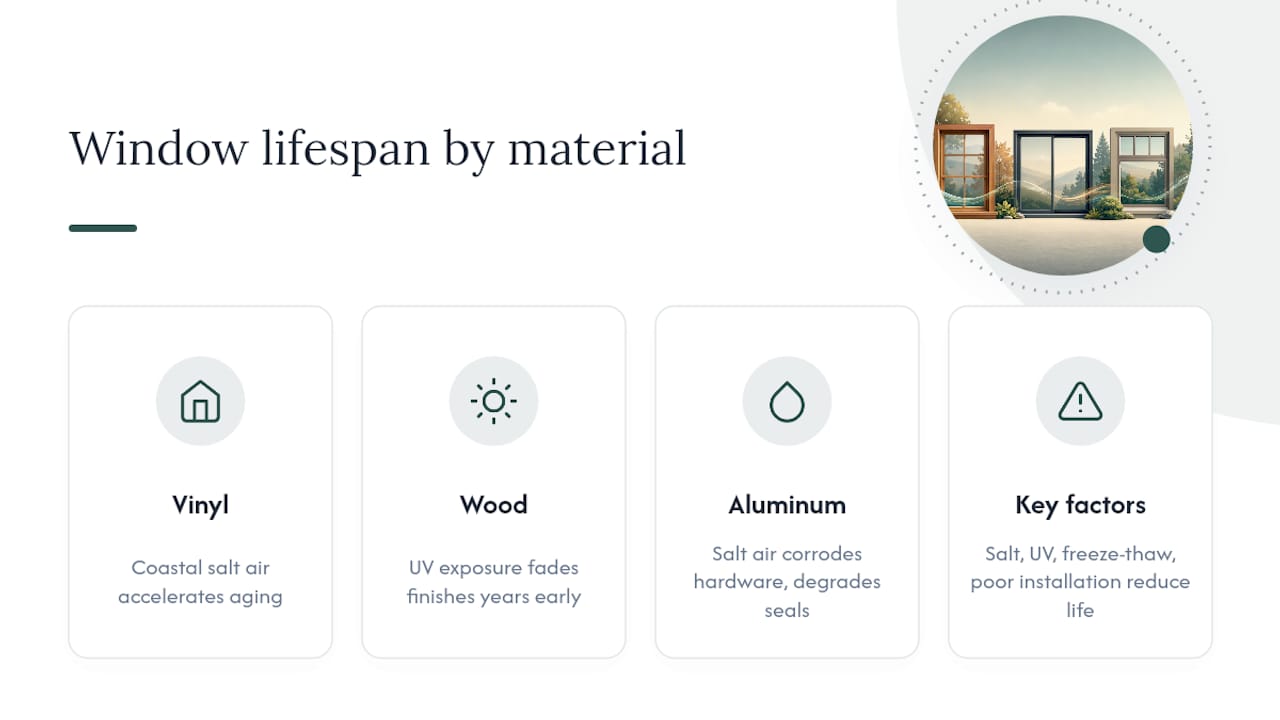
Lifespan depends heavily on what the frame is made of, how it was installed, and what climate it’s fighting against every day. A vinyl window in coastal salt air ages differently than the same window in a dry inland climate.
A few factors shorten every one of those ranges. Coastal salt air corrodes aluminum hardware and degrades seals faster than inland conditions. Constant UV exposure on south and west-facing windows breaks down vinyl and fades wood finishes years ahead of schedule. Freeze-thaw cycles stress seals and caulk joints every winter, which is part of why Nebraska homes see seal failures show up earlier than the same windows might in a milder climate. And poor original installation, gaps in flashing, an out-of-square frame, insufficient sealant, can shave a decade off any window’s realistic lifespan no matter how good the glass itself is.
Repair or Replace? A Decision Framework That Actually Works
Not every symptom means you need a full replacement. Some problems are $50 fixes. Others are early warnings that the whole unit is failing, and continuing to patch it is just deferring an expense you’ll pay anyway, with interest.
Components that are usually worth repairing on their own:
Worn weatherstripping or perished caulk around the frame perimeter.
Stiff or broken hardware, cranks, locks, balances, and hinges.
A single cracked or broken pane on an otherwise sound frame.
Sticky sash channels that need cleaning or lubrication rather than replacement.
Red flags that push toward full replacement instead:
Soft, spongy, or visibly rotted frame material.
Seal failure with permanent fogging between panes.
Recurring water intrusion that keeps coming back after repair attempts.
Multiple service calls on the same window within a couple of years.
A desire for real upgrades, better sound dampening, lower energy loss, that a repair simply can’t deliver.
Consumer Reports frames the math simply: repair what you reasonably can, but once a fix approaches roughly half the cost of full replacement, you’re usually better off putting that money toward a new unit instead of buying a few more years on a failing one. That threshold matters more than it sounds. A $400 sash repair on a window that would cost $700 to fully replace is a bad trade when you factor in that the frame around that sash is probably aging at the same rate.
When you’re getting quotes to decide, ask each contractor these questions before comparing prices:
Is this a repair to one component, or does the whole frame need replacement?
What’s causing the failure, is it the window itself, or a siding, flashing, or trim issue letting water in?
What’s the expected lifespan of the repair versus a new unit?
Does the quote include disposal of the old unit and any needed trim or flashing work?
What warranty applies to the repair versus a full replacement?
If water is showing up around the frame, it’s worth confirming the window itself is the problem before spending money on it. Sometimes it isn’t the window at all, it’s failed flashing or compromised siding funneling water toward the opening.
Does Replacing Windows Pay for Itself?
Windows cover only a small percentage of a typical home’s exterior surface, yet they’re responsible for an outsized share of a house’s heating and cooling losses, according to ENERGY STAR. That imbalance is exactly why a handful of failing windows can drag down comfort and utility bills more than their size suggests.
Payback depends on a few variables you should weigh honestly before assuming replacement will pay for itself fast: your climate zone, whether you’re upgrading from single-pane or a failed double-pane unit, how airtight the rest of the house already is, and current fuel or electricity costs in your area. A drafty single-pane window in an older Omaha home replaced with an insulated, Low-E double-pane unit will show a bigger swing in comfort and bills than swapping out a double-pane unit that’s only a few years past its seal failure.
Here’s a simple illustrative example, not a guarantee, just the shape of the math. If a homeowner is spending noticeably more on winter heating because of six or seven drafty, single-pane windows, and new insulated units run a certain amount per window installed, the energy savings alone might recover only a portion of that cost over a decade. The faster payoff usually comes from comfort, fewer cold spots, less noise, no more running a space heater near the window, plus the value of not facing sudden water damage from a seal that finally lets go. Homeowner surveys reported by This Old House list energy efficiency as the top reason people replace windows, with damaged frames and thermal discomfort close behind. Energy savings rarely justify the whole project on their own. It’s the combination of comfort, damage prevention, and efficiency together that makes the numbers work.
Before you commit, check whether your utility offers a rebate program for efficient window upgrades, and whether current ENERGY STAR qualified products in your area come with manufacturer incentives. These vary by region and change year to year, so a quick call to your local utility is worth it before you finalize a quote.
What to Prioritize When Buying Replacement Windows
Once you’ve decided to replace, the glass matters, but installation quality often matters more. A premium window installed poorly will underperform a mid-range window installed correctly, every time.
Glazing priorities. Low-E coatings reduce heat transfer without darkening the glass noticeably, and they’re close to standard on any quality window today. Double-pane is the baseline; triple-pane adds meaningful performance in harsher climates but costs more upfront. Gas fills, usually argon, boost insulating value between panes. The Department of Energy frames the priority by climate: in cold regions, favor a lower U-factor (better insulation against heat loss); in hot, sunny regions, prioritize a lower Solar Heat Gain Coefficient (better resistance to solar heat).
Frame priorities. Fiberglass and quality wood tend to outlast vinyl in demanding conditions and resist warping better over decades, though vinyl remains a reasonable, lower-maintenance choice for many homes. Whatever you choose, factor in what upkeep it actually needs, wood needs periodic painting or sealing, vinyl and fiberglass need almost none.
Installation priorities. Proper flashing integration with the siding, correct air and water sealing around the rough opening, and precise square, plumb installation matter as much as the product spec sheet. A window installed slightly out of square will bind, leak, or wear out its seals years ahead of schedule, regardless of how good the glass is.
Five red flags to watch for when vetting a contractor:
No clear answer about permit requirements for your city or county.
No written warranty covering both the product and the labor.
High-pressure sales tactics or “today only” pricing.
A vague scope of work that doesn’t specify flashing, trim, and disposal.
No verifiable references or completed local projects to point to.
Simple Maintenance That Delays Replacement
Good maintenance won’t save a window with a failed seal or a rotted frame, but it will absolutely stretch the life of a sound window by years. Consumer Reports points to recaulking and weatherstripping as the two highest-value, lowest-cost maintenance tasks most homeowners skip.
Recaulk the exterior perimeter every few years, or sooner if you see cracking or gaps.
Replace compressed or torn weatherstripping, an inexpensive fix that solves a surprising number of draft complaints.
Lubricate hinges, cranks, and sash locks annually to prevent hardware from seizing.
Check for soft or discolored wood at the sill and lower frame corners, catching rot early keeps it from spreading.
Reglaze or replace a single cracked pane promptly rather than leaving a compromised seal exposed to weather.
Most of this is DIY-friendly. Call a professional once you’re dealing with anything structural, a frame that’s shifted, wood that’s soft to the touch, or a window that’s out of square. At that point you’re no longer maintaining the window, you’re diagnosing a bigger problem.
A simple seasonal habit keeps most of this on track: check weatherstripping and caulk each fall before the cold sets in, inspect for condensation between panes each winter, and do a full hardware and hinge check each spring. Keep that three-point check on your annual home maintenance list and you’ll usually catch problems while they’re still cheap to fix.
A Contractor’s View: What We See Most Often in the Field
The pattern that shows up again and again isn’t dramatic. It’s homeowners who’ve had the same window “fixed” three or four times by three or four different people, and nobody stopped to ask why it keeps failing. Often the window itself is fine. What’s failing is the flashing behind the siding, or trim that’s let water track down behind the frame for years. Fixing the window without fixing what’s feeding water to it just resets the clock on the same problem.
Original installation quality is the other recurring issue. A lot of older Omaha homes have windows that were installed correctly for their era but never had proper flashing integration with what was available decades ago. When we open up a wall around one of these units, it’s common to find water staining or soft sheathing that’s been there for years, invisible from either side until the trim comes off.
One habit that saves homeowners real money: if you’re replacing windows and you also need siding work or exterior trim repair, get both scoped together. Doing them separately means paying twice for scaffolding, trim removal, and touch-up work that could have been handled in one pass. It also means whoever does the windows isn’t guessing about what the siding crew will expose later.
Spagnotti Contracting has spent years working on homes across the Omaha metro, and one thing holds steady across almost every job: the homeowners who get the clearest answers are the ones who ask what’s causing the problem, not just what it costs to fix the symptom.
Ready to Get an Estimate? What to Expect
If you’ve read this far because you’re seeing two or three of the signs above, you already have enough to justify a professional look. Spagnotti Contracting handles the full scope of window and door replacement for homeowners across the Omaha metro, removal of the old unit, proper flashing and sealing at the rough opening, trim and finish work, and disposal, so you’re not left coordinating separate crews for each step.

A free estimate typically starts with a walk-through of every window you’re concerned about, not just the obvious ones, since a problem in one spot often points to something happening nearby too. From there, expect a written scope covering material choice, installation approach, and timeline, most residential window projects run from initial measurement to installed and finished in a matter of weeks, depending on the season and order lead times for the units themselves. If your home was built before 1978, ask specifically about lead-safe work practices during removal, it’s a detail worth confirming before any trim comes off, not after.
If your project also involves siding or trim repair, mention that up front. Scoping both together usually saves money and avoids redoing finish work twice. Ready to find out what your specific situation actually needs? Request a project estimate and get a straight answer on repair versus replace before you spend another season with drafty windows.
Sources
When to repair and when to replace your windows | Consumer Reports
Signs Your Windows Need Replacing: A Homeowner’s Guide | Pella
Check with your local utility for current rebate programs on efficient window upgrades before finalizing a project budget, availability and terms change from year to year.
Recommended
Dealing With Something Similar?
Every property is different, but if this sounds like what you’re seeing, we’re happy to take a look and help you figure out what’s actually going on.