Cost & Estimates
Why Painting Estimates Vary So Much
By Noah Spagnotti
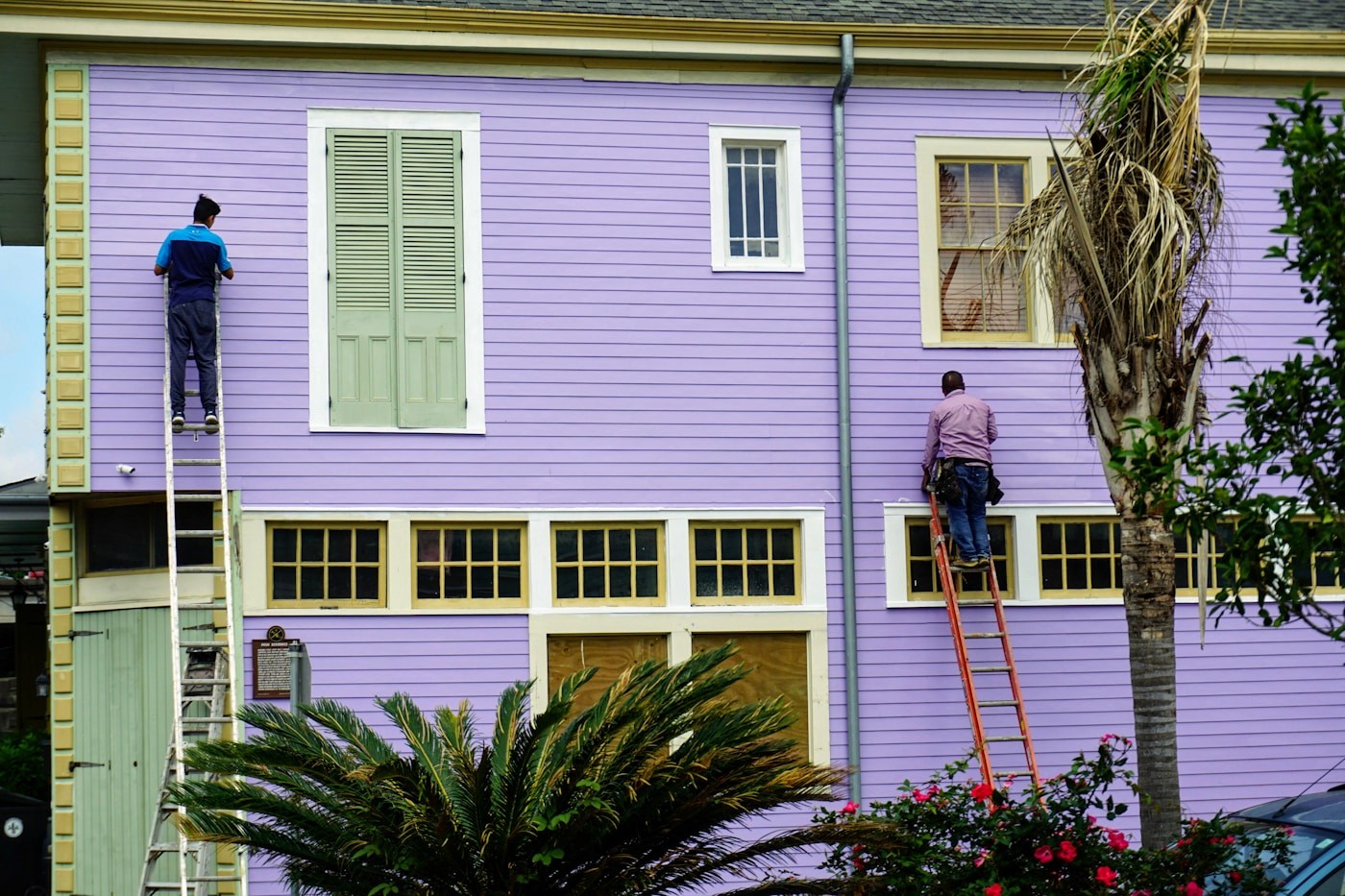
It’s one of the most common surprises in exterior painting: three contractors walk the same house, and the estimates come back thousands of dollars apart. It’s tempting to assume the higher number is padding, or that the lower one is just a better deal. Usually neither is true. Paint itself is a small part of the total cost. The real difference is almost always in the labor that goes into it, and that difference shows up years later in how long the job actually lasts.
What’s Actually Driving the Price Gap
When two estimates for the same house come in far apart, the paint is rarely the reason. What varies is how much surface preparation is included, whether damaged wood gets repaired or just painted over, how the property is protected during the work, and what grade of paint and how many coats are actually being applied. Each of those steps takes time and labor, and each one can be shortened or skipped without the homeowner noticing until the paint starts failing.
Surface Preparation
Paint only bonds as well as the surface underneath it. A full prep process starts with power washing to remove dirt, mildew, and chalking residue that would otherwise prevent proper adhesion. Loose and peeling paint gets scraped back to a sound edge, not just knocked off where it’s already falling. Rough transitions between old and new paint get sanded smooth so they don’t telegraph through the new coat. Bare wood gets spot primed before topcoating, since paint applied directly over unprimed wood fails faster and unevenly. Skipping or rushing any of these steps is invisible on the day the job finishes, but is painfully noticeable twelve to eighteen months later.
Wood Repair and Replacement
Trim, fascia, and siding that have started to rot or separate need to be repaired or replaced before painting, not painted over. Caulking gaps and seams is part of this too — it keeps water from getting behind the new paint film in the first place. Painting over a soft or rotted section might look fine in photos, but it doesn’t stop the underlying damage, it just hides it for a while. That’s one of the more common ways a homeowner ends up paying for the same repair twice: once as a shortcut, and again a couple of years later when it fails for real.
Protecting the Property During the Job
Proper masking of windows, doors, light fixtures, and trim that isn’t being painted, along with covering landscaping, walkways, and outdoor furniture, takes real time on a job site. It’s not a visible part of the finished paint job, but it’s the difference between a clean result and one with overspray on the siding, drips on the driveway, or paint on plants that shouldn’t have been near the work in the first place. Estimates that move faster often move faster here.
Paint Quality and Number of Coats
Not all exterior paint is built the same. Contractor-grade paint and premium paint lines differ in resin quality, UV resistance, and how well they hold color and flexibility over time, especially through Nebraska’s freeze-thaw cycles and summer heat. The number of coats matters just as much as the product — a single coat over primer will never perform like two full coats, no matter how good the paint is. Cheaper estimates sometimes plan for fewer coats or a lower-tier product without spelling that out clearly.
What the Difference Actually Buys You in Years
This is where all of it adds up. A job that skips prep, paints over existing damage, and uses a thinner, lower-grade product might look acceptable at first, but often starts peeling, fading, or cracking within one to three years. A mid-range job, with reasonable prep and a decent paint line but a few shortcuts, typically lasts five to seven years before it needs real attention again. A job done with full prep, wood repairs handled properly, careful protection, and quality paint applied at the right number of coats is what gets a homeowner into the seven-to-ten-year range, sometimes longer. The estimate that costs more up front is very often the one buying those extra years, not just a nicer-sounding pitch.
If you’re comparing painting estimates and the numbers don’t make sense, ask each contractor directly what prep work, wood repair, and paint product is actually included. The answer usually explains the gap.
For more on how we approach exterior painting, visit our Painting service page.
Dealing With Something Similar?
Every property is different, but if this sounds like what you’re seeing, we’re happy to take a look and help you figure out what’s actually going on.