Cost & Estimates
Contractor Estimate vs Quote: What Homeowners Should Know
By Noah Spagnotti

An estimate is a ballpark number that can change; a quote is a fixed price a contractor commits to once you sign it. If a contractor hands you a number, ask directly whether it’s an estimate or a quote, then get the scope, the validity period, and the change-order terms in writing. Never start a project on an estimate alone. If you need cost certainty before a crew shows up, insist on a signed quote first.
TL;DR:
A contractor estimate is a rough, non-binding range that can change, while a quote is a fixed, binding price that should include itemized costs and a validity date.
Always request a signed quote before any work begins, especially after a site visit confirms project details and supplier pricing.
When comparing multiple quotes, verify they cover the same scope, check for clear terms, and watch for vague language or lack of expiration dates.
A signed quote becomes a contract, and any additional work must be approved through written change orders to avoid surprise charges.
The key rule for homeowners is to never let work start without a documented, signed quote that clearly states scope, price, and change procedures.
Table of Contents
Contractor Estimate vs Quote: The Actual Definitions
When to Request an Estimate vs. When to Demand a Quote
The Line-by-Line Checklist: What Belongs in Each Document
What Happens When You Sign, and How Overruns Get Handled
Comparing Multiple Quotes Without Getting Fooled by the Bottom Line
How Spagnotti Contracting Handles Estimates and Quotes
The One Question That Would Have Saved a Lot of Homeowners a Lot of Money
Get a Documented Estimate From Spagnotti Contracting
Sources
Contractor Estimate vs Quote: The Actual Definitions
Homeowners hear “estimate,” “quote,” “bid,” and “proposal” used almost interchangeably by contractors, and that loose language causes most of the confusion in this whole conversation. Each term means something specific, and knowing the difference protects you before a hammer ever touches your roof.
An estimate is a rough approximation, given early, before a contractor has all the facts about your project. It’s a non-binding approximation that can change as project details emerge, according to FreshBooks. Watch for language like “approximately,” “subject to change,” or “pending inspection.” If a document lists a price range instead of one number, that’s your first clue you’re holding an estimate, not a promise.
A quote is different. It’s a fixed-price offer that generally becomes binding once you accept it, whether by signature or by written confirmation. A real quote reads like a contract because it functionally is one. Look for these signals that a document is meant to be binding:
A specific dollar figure, not a range
Itemized labor and material costs broken out separately
A “valid until” or expiration date
A signature line for both parties
Defined start and completion dates
Bids and proposals live in a slightly different lane. Bids and proposals are more detailed and common in competitive or public projects, according to Procore, where multiple contractors submit formal offers and the property owner picks a winner. A proposal often includes the contractor’s approach, materials, and timeline alongside the price, almost like a mini business case for why they should get the job. For a typical residential remodel, you’ll rarely see a formal “bid” process. You’ll see an estimate, then a quote.
The overlap causes real friction. A contractor might text you “I can do it for around $8,000” and call that a quote, when it’s really an estimate dressed up in confident language. That’s not necessarily dishonest. It’s just imprecise, and imprecision on a $20,000 kitchen remodel is expensive. Ask the contractor to label the document explicitly. A reliable contractor won’t hesitate to tell you which one you’re looking at.
When to Request an Estimate vs. When to Demand a Quote
Timing determines which document makes sense. Requesting a locked-in quote before anyone has measured your roof is like asking a mechanic for a fixed price over the phone before they’ve popped the hood.
Early planning stage. When you’re still deciding whether to remodel a bathroom or replace siding, an estimate is the right tool. It gives you a workable number for budgeting without demanding the contractor commit to specifics they can’t yet know.
Design and material selection. As you narrow down finishes, fixtures, or roofing materials, expect the range to tighten. This is still estimate territory, but it should be getting more specific with each conversation.
After the site visit. Once a contractor has walked your property, taken measurements, and checked for issues like water damage or structural problems, they have what they need to price the job precisely. This is the point where you should ask: “Are you ready to send a quote?”
After supplier pricing is confirmed. Material costs shift, especially for lumber and roofing products. A contractor who quotes before confirming supplier pricing is guessing, and that guess becomes your problem if costs jump mid-project.
Before any work begins. Never let a crew start based on an estimate. The recommended sequence is estimate first, due diligence and site checks second, then a signed quote before anyone begins, according to Nudge.
If a contractor pushes to skip straight to a locked price without visiting your home, that’s a reason to slow down, not speed up.
The Line-by-Line Checklist: What Belongs in Each Document
Reading a construction quote or estimate means checking specific line items, not just glancing at the bottom number. Here’s what should actually appear in each.
A legitimate estimate typically includes:
A price range, not a single fixed figure
Stated assumptions (“assumes no structural repairs needed”)
A rough project timeline, often in weeks rather than exact dates
Listed exclusions, such as permit fees or unforeseen repairs
A note that the number will firm up after a site visit
A legitimate quote typically includes:
An itemized breakdown separating labor and materials
A defined payment schedule (deposit, milestones, final payment)
Specific start and completion dates
A “valid until” or expiration date, commonly around 30 days, since contractors often set that window because material prices fluctuate, per Procore
A written change-order clause explaining how added costs get approved
A signature line for both homeowner and contractor
Estimates should ideally land within about 20 percent of the eventual price, and industry practice treats anything beyond that as a signal something changed and needs a conversation, per FreshBooks.
Five trust signals separate a document you can rely on from one that’s just a guess dressed up in a template: the itemized breakdown, the validity date, the change-order process, the written assumptions, and a signature block that makes acceptance explicit. If a document you’re holding is missing three or more of these, treat the number with real skepticism, no matter how official it looks on letterhead.
What Happens When You Sign, and How Overruns Get Handled
Signing a quote isn’t a formality. Once you accept a quote, you and the contractor have both agreed to a defined scope at a defined price, and that agreement generally holds up as a binding contract. This is the whole reason the estimate-to-quote conversion matters so much. An estimate leaves room to walk away or renegotiate. A signed quote does not, at least not without a formal process.
That process is the change order. A change order is a written, signed amendment to the original quote, covering anything beyond the original scope, whether it’s discovering rotted subfloor behind a wall or deciding mid-project to upgrade your countertop material. A clear change-order process is the single most effective defense against a surprise final invoice, according to Nudge. If a contractor tells you about extra costs after the fact instead of before, that’s a breach of how this is supposed to work, not just bad communication.
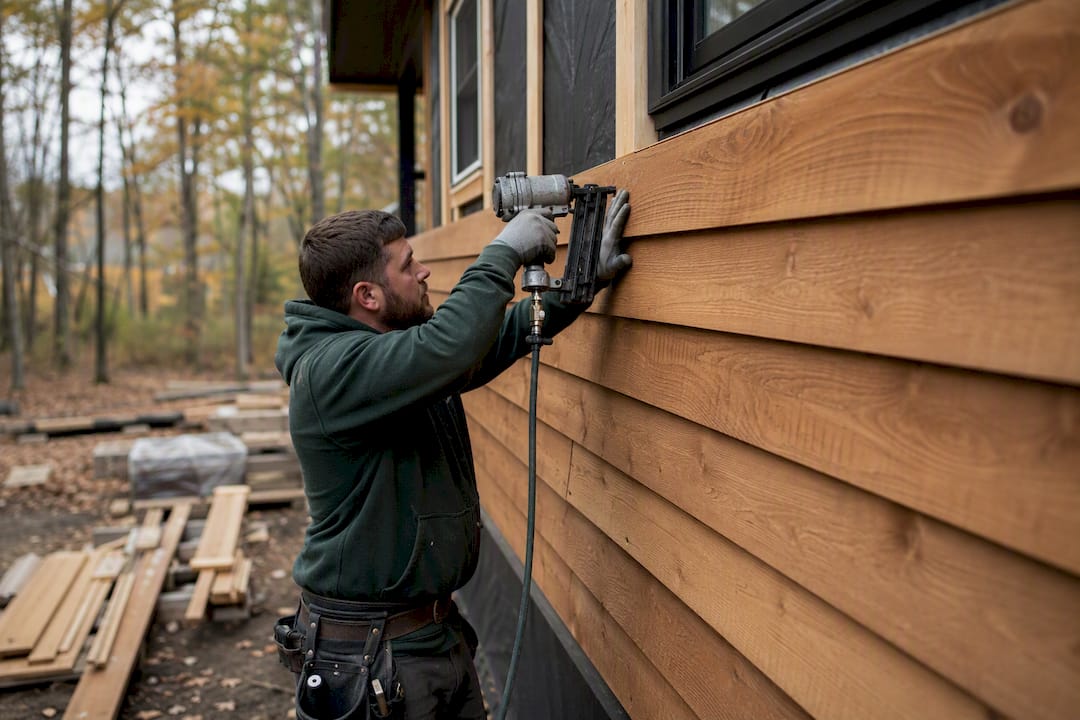
Industry practice generally tolerates estimate variance in the 10 to 15 percent range without much fuss. Once a project pushes toward 20 percent over the original number, most reputable contractors will stop and get written sign-off before continuing, per FreshBooks. If your contractor blows past that threshold without a conversation, you have every right to pause work and ask for a written explanation.
Pro Tip: Before signing anything, ask your contractor directly, “What’s your change-order process?” If they can’t describe it in one or two sentences, that’s a preview of how disputes will get handled later.
Get every change order in writing before the additional work starts
Confirm who signs off on change orders (you, or a property manager)
Ask how change orders affect your payment schedule and final completion date
Comparing Multiple Quotes Without Getting Fooled by the Bottom Line
The lowest number on the page isn’t always the best deal, and comparing totals instead of scope is how homeowners end up paying twice for the same wall.
Line up the scope, not just the price. Put two quotes side by side and check whether they cover the same work. One contractor’s “$12,000 roof replacement” might include tear-off and disposal; another’s might not.
Flag allowances and vague language. Phrases like “standard fixtures” or “as needed” hide decisions that get made later, usually at a price you didn’t expect.
Check payment terms and warranty coverage. A 50 percent deposit is common; anything demanding full payment upfront is a red flag.
Verify insurance and licensing. Ask for proof, don’t just take a contractor’s word for it.
Look for the expiration date. A quote with no validity date, or one open-ended indefinitely, often signals a less rigorous process behind the number.
Comparison point | Estimate | Quote |
|---|---|---|
Price format | Range | Fixed dollar amount |
Binding once accepted | No | Yes, typically |
Includes itemized costs | Rarely | Yes |
Has a “valid until” date | Rarely | Yes, commonly 30 days |
Change-order clause | Not applicable yet | Should be included |
The biggest red flag in any comparison isn’t a high number. It’s a document with no expiration date, no itemization, and language too vague to hold anyone accountable later.
How Spagnotti Contracting Handles Estimates and Quotes
Spagnotti Contracting builds this process around one rule: homeowners should never have to guess what a number means. Every project in the Omaha metro area starts with a personalized estimate that spells out assumptions up front, not buried in fine print.
Here’s what that looks like in practice for a typical roof replacement:
Initial conversation and rough estimate. A homeowner describes the issue (aging shingles, storm damage) and gets a preliminary range based on similar past projects.
Site visit and inspection. A team member measures the roof, checks for structural issues, and confirms material needs, the same due-diligence step that separates a real quote from a guess.
Detailed, signed quote. The homeowner receives an itemized quote covering labor, materials, a payment schedule, a completion date, and a written change-order process, ready for signature before any work begins.
This mirrors the exact sequence recommended earlier in this article, and it’s not an accident. It’s how contractors avoid disputes and how homeowners avoid surprise invoices.
The details that matter most for siding, gutters, or interior remodeling work follow the same pattern. If your project touches multiple trades, it’s worth checking how a single contractor handles multi-part exterior projects before collecting separate quotes from separate crews.
The One Question That Would Have Saved a Lot of Homeowners a Lot of Money
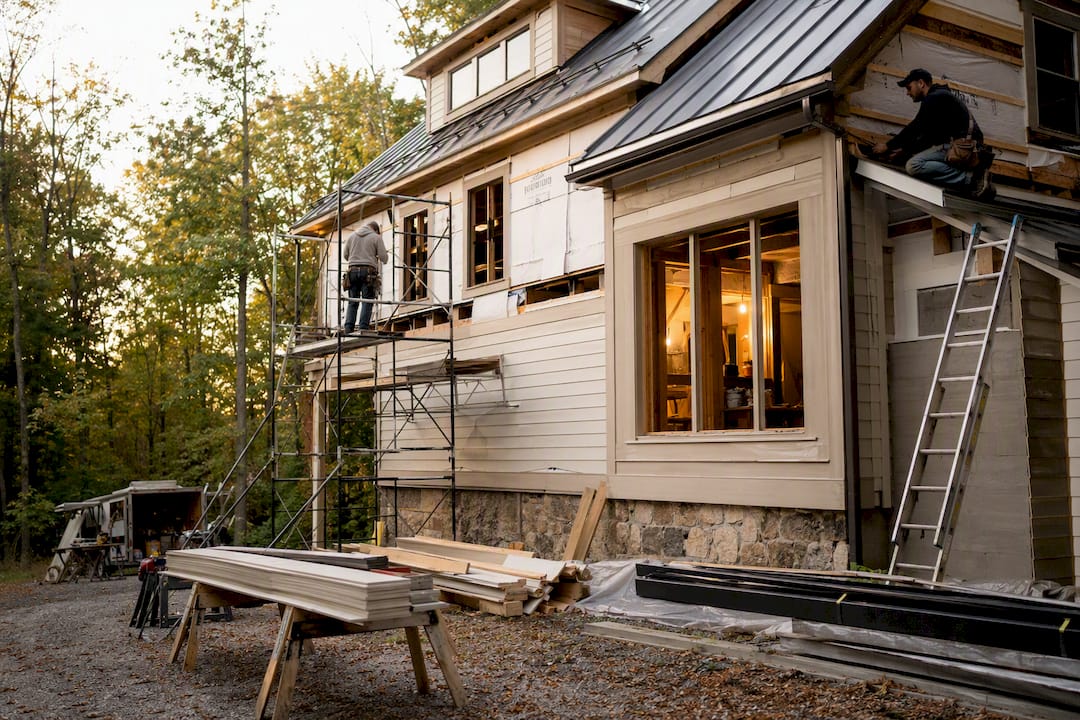
I’ve seen the same misunderstanding play out repeatedly: a homeowner gets a number over the phone, assumes it’s locked in, and green-lights work before anyone’s measured anything. Then the final bill lands 30 percent higher, and both sides feel wronged. Nobody lied. Nobody read the fine print, because there wasn’t any.
The single best rule in this entire topic is simple. Do not let work start until you have a signed quote, not a text message, not a verbal ballpark, a signed document with a scope, a price, and a change-order clause. Ask for written assumptions before you ask for anything else. That one habit prevents more disputes than any contract clause ever will.
— Noah
Get a Documented Estimate From Spagnotti Contracting
Spagnotti Contracting turns the estimate-to-quote process into something you can actually follow on paper, not something you have to take on faith. When you reach out about a roof, siding, gutter, or remodeling project in the Omaha metro area, you get a written estimate with clear assumptions first, then a follow-up site visit, then a detailed signed quote with an itemized payment schedule and a defined change-order policy before any crew shows up.

That sequence exists because it protects you, not just the paperwork. You’ll know the price before the demolition starts, and you’ll know exactly what triggers a change order if something unexpected turns up behind a wall. Browse the full range of residential contracting services in Omaha, including roof replacement and repair and siding installation, and request a written estimate to start the process. If you’re weighing options for exterior work, checking what to look for before building or replacing a deck is a good next stop before you schedule an inspection.
Sources
Quote vs Estimate: How Do You Know Which One You Should Use? — FreshBooks
Estimate vs quote vs proposal vs bid: What’s the difference? — Procore
Estimate vs Quote: What Contractors Should Send and When — Nudge
Recommended
Dealing With Something Similar?
Every property is different, but if this sounds like what you’re seeing, we’re happy to take a look and help you figure out what’s actually going on.