General Contracting
4 Ft Front, 6 Ft Rear: Omaha Fence Rules and Permits
By Noah Spagnotti
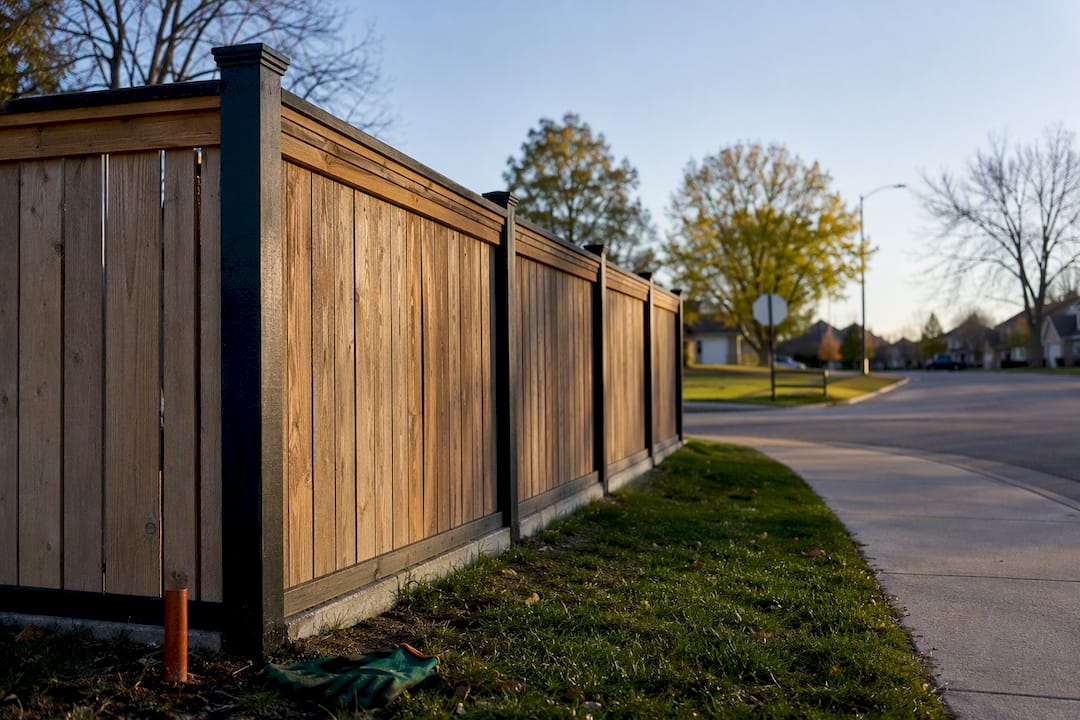
Most fence projects need a permit before you dig a single post hole. The City of Omaha Planning Department and Chapter 55 of the municipal code govern both numbers; skipping the paperwork is the fastest way to get a correction order.
TL;DR:
Omaha requires a permit to install, relocate, or replace a fence, and the permit fee depends on project cost.
Fences in a required front yard are limited to four feet and must be at least 50% open; outside the required front yard, residential fences can generally be up to six feet.
Fence drawings, property surveys, and knowledge of the sight-triangle and openness rules are essential before submitting a permit application to avoid delays and enforcement actions.
Contractors familiar with Omaha’s permit process can handle paperwork, surveys, and compliance checks, reducing errors like non-compliance with visibility rules or improper finishing sides.
Project timelines depend on permit review and material lead times; check current review times with the City of Omaha Permits & Inspections.
Table of Contents
Fence Height Rules Omaha Homeowners Need to Know by Yard Type
When Do You Need a Fence Permit in Omaha?
What Are the Visibility and Safety Rules for Fences?
Getting Your Permit Packet Ready: Survey, Drawings, and HOA Sign-Off
How to Vet a Fence Contractor Before You Sign Anything
Enforcement, Penalties, and Why Permits Come First
Finding a Reputable Local Fence Installer
How Long Does an Omaha Fence Project Take?
What Does a Fence Project Cost in Omaha?
A Local Contractor's Take on the Most Common Fence Mistakes
Get Permit-Ready Fence Installation From Spagnotti Contracting
Where to Verify Omaha's Fence Rules Yourself
Sources
FAQ
Fence Height Rules Omaha Homeowners Need to Know by Yard Type
Omaha's code splits your lot into zones, and each one carries its own ceiling. Get the zone wrong and you'll build something the city makes you tear down.
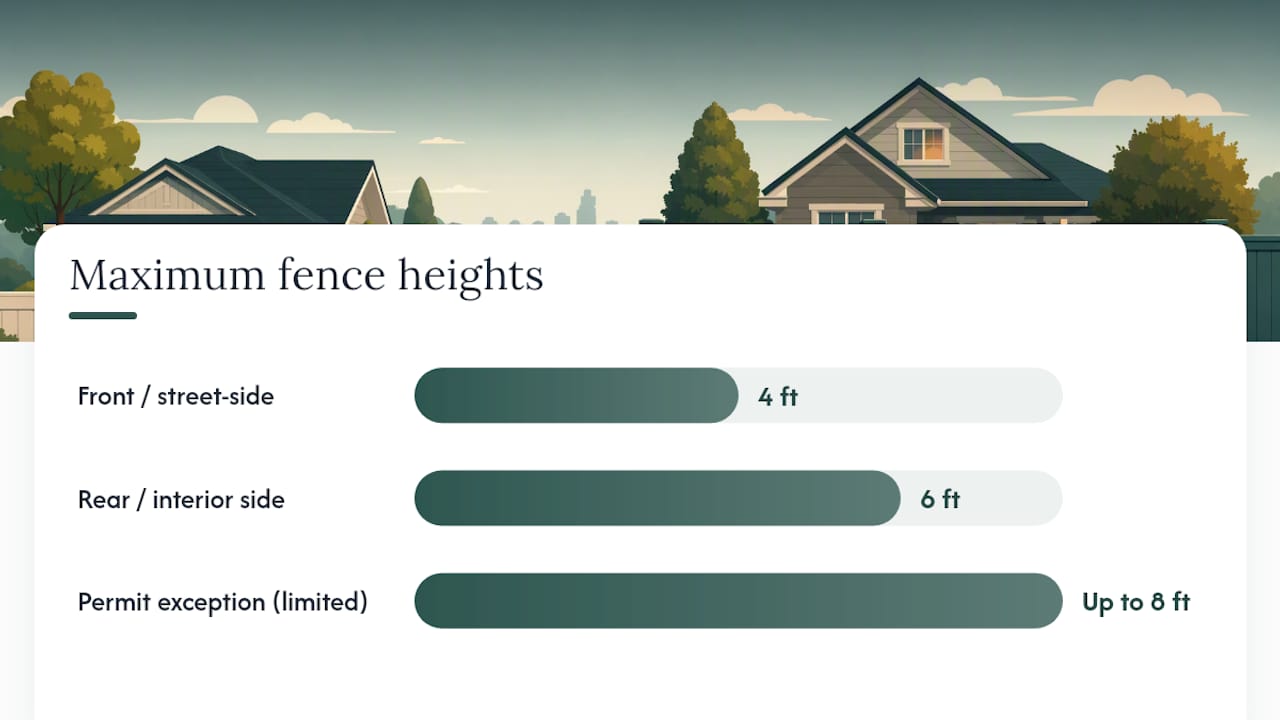
A fence inside the required front yard setback (the strip between your house and the street) is capped at 4 feet, and any residential fence in a required front or street-side yard must be at least 50% open. Picket fences, split-rail, and most chain link clear that bar easily. Solid privacy panels do not, at least not in the front.
Outside the required front yard, including rear and interior side yards, the residential maximum is 6 feet, and fences outside the required front and street-side yards can be solid. Taller residential fences aren't a standard option, so if you think you need more than 6 feet, talk to the City of Omaha Permits & Inspections before you design around it.
Required front yard: 4 feet max; fences in required front and street-side yards must be at least 50% open
Rear/interior side yards: 6 feet max, solid fencing allowed
Corner lots: Omaha amended its street-side yard fence rules in 2024 (Ordinance 43728), so confirm height and openness for your corner lot with Permits & Inspections
Double-frontage lots (backing onto a second street): a fence in the required front yard can be up to 6 feet and more than 50% solid if that frontage is on a minor or major arterial, expressway, or freeway and doesn't provide primary access to the property
Whichever side you build, the finished side (the side without visible rails and posts) has to face outward, toward adjacent properties and the street. It's a small detail that inspectors check.
When Do You Need a Fence Permit in Omaha?
Nearly every new fence, replacement, or relocation in Omaha requires a permit application through Permits & Inspections, and the city recommends contacting that office before you finalize your design, not after. Corner lots and double-frontage lots in particular can trigger zoning review that a standard interior-lot fence never sees.
Fee structure ties to project value. A small fence project with lower material and labor costs typically has a modest permit fee, with costs scaling up based on total project cost.
Three steps get most homeowners through the process cleanly:
Confirm whether drawings are required. Per the city's fence requirements sheet, chain link and split-rail fences 4 feet or under don't require drawings.
Prepare three copies of a scale lot drawing for anything else, showing the fence's location, adjacent streets, and a written note on height and material.
Submit to Permits & Inspections and wait for approval before construction starts, not during.
Fast fact: the fence requirements guidance from Omaha's planning department spells out the drawing exemption and fee thresholds in one document, and it's worth printing before your appointment.
Homeowners often assume a 6-foot backyard fence is automatically permit-free because it meets height rules. That assumption causes more delays than almost anything else in the process. The height limit and the permit requirement are two separate questions, and Omaha's guidance treats them that way.
What Are the Visibility and Safety Rules for Fences?
The 50% openness rule in front yards exists for a reason: solid fencing blocks sightlines for drivers backing out of driveways and pedestrians crossing at corners. A solid privacy panel does not, no matter how attractive it looks from the street.
At intersections, Omaha enforces a sight-triangle rule: no solid fence can be built inside the triangle formed by the two intersecting street lines and a line connecting points 30 feet from the intersection along each one, regardless of the yard's normal height allowance. This catches people off guard on corner lots more than any other single rule.
Barbed wire and electric fences are generally prohibited in the city (Chapter 43, Article V allows only narrow exceptions)
Finished side must face outward, toward the street or neighboring property
Sight triangles apply even where the standard height limit would otherwise allow more coverage
Front picket and split-rail styles almost always pass openness review; solid panels almost never do in a front yard
Pro Tip: Walk your corner lot's sightline before you finalize fence plans. If you can't see oncoming traffic clearly from your own driveway with a temporary mockup in place, the city inspector won't approve it either.
Getting Your Permit Packet Ready: Survey, Drawings, and HOA Sign-Off
A property survey isn't legally required for every fence permit, but it's the single best move you can make before applying. Boundary disputes are one of the most common reasons Omaha fences end up in enforcement proceedings, and a survey settles the question before you pour a single footing.
Your scale lot drawing needs to show adjacent streets, the fence's exact placement relative to your property lines, and written notes on height and material. Contractors who handle permits regularly can usually turn this around faster than a homeowner working from scratch.
Order a survey if you don't have a recent one on file, especially on older lots where boundary markers have shifted or disappeared.
Draft the scale lot drawing with fence location, height, and material clearly noted.
Photograph the existing yard for your own records and for any HOA submission.
Check HOA architectural requirements separately. Many Omaha neighborhoods layer HOA approval on top of city permits, and a design that meets code can still get rejected by an architectural committee that wants matching materials or specific colors.
How to Vet a Fence Contractor Before You Sign Anything
Ask who pulls the permit before you sign a contract. Some contractors expect the homeowner to file, which shifts both the paperwork burden and the liability for errors onto you.
Confirm proof of insurance, warranty length, and whether they coordinate survey work if you don't already have one. A contractor who can't answer clearly on any of these is worth a second look elsewhere.
Red flag: no written estimate before work begins
Red flag: requests a large upfront payment before materials are ordered
Red flag: can't describe their own permit process when asked directly
Pro Tip: Get the finished-side orientation written into the contract. It sounds minor, but disputes over which side faces the neighbor are one of the most common post-installation complaints in Omaha.
Your contract should spell out scope, materials, timeline, payment schedule, and exactly who is responsible for permitting. Vague language on any of those five items is where projects go sideways later.
Enforcement, Penalties, and Why Permits Come First
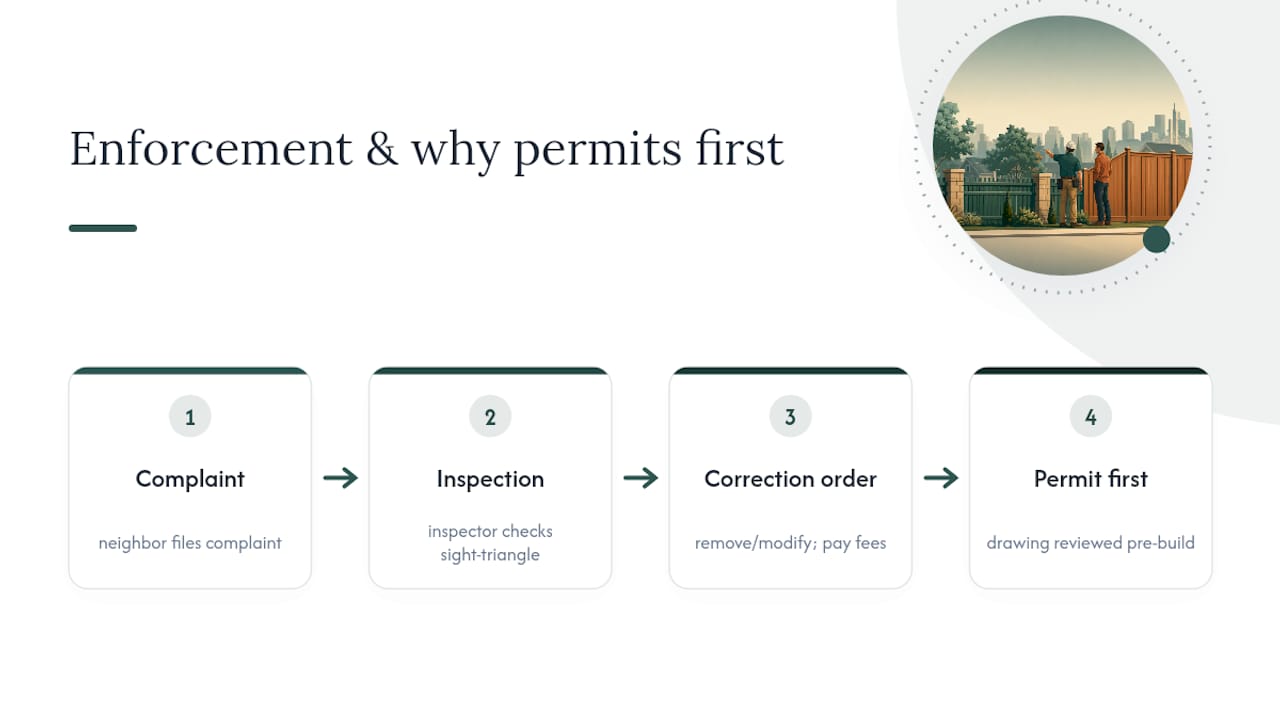
Omaha's enforcement usually starts with a complaint, often from a neighbor whose sightline got blocked or who believes a fence crosses the property line. Once a correction order lands, you're looking at removal or modification of work you already paid for, plus the original permit fee you skipped.
Sight-triangle violations are a particularly common trigger. An inspector who spots a solid fence inside the 30-foot corner clearance can require it removed even if the fence otherwise meets height limits everywhere else on the lot. Contractors experienced with Omaha inspections often show the city the lot drawing and staked post locations before pouring footings, specifically to catch a sight-triangle problem before concrete sets.
Encroachment is the other frequent cause. A fence built a few inches over a property line because nobody checked a survey can force a full rebuild, not just a shift. That cost dwarfs whatever a survey would have run beforehand.
Permits exist to catch these problems while they're still cheap to fix. Filing first means an inspector reviews your drawing before construction, not after concrete is already in the ground. Skipping that step and hoping nobody notices is a bet that rarely pays off, and the downside is your own money spent twice.
Finding a Reputable Local Fence Installer
Start by checking whether a contractor can name their permit process without hesitation. Any installer who's done real volume in Omaha will know the drawing requirements and fee thresholds off the top of their head, because they've filed dozens of applications.
Look for a physical service history in the Omaha metro specifically, not just a website claiming broad regional coverage. Ask for references tied to fence projects, not general remodeling work, since permit familiarity is project-specific.
Cross-reference online reviews against how specific they are. A review mentioning "handled the permit paperwork for us" tells you more than a generic five-star rating with no detail. Check whether the contractor is listed with proof of insurance and whether they've handled corner-lot or double-frontage projects before, since those carry the trickiest exceptions.
Finally, ask two or three contractors the same set of questions and compare answers side by side. Inconsistent answers about drawing requirements or fee thresholds from a contractor claiming Omaha experience is worth treating as a warning sign.
How Long Does an Omaha Fence Project Take?
Permit review time depends on the city's workload and on how complete your packet is, so check current review times with the City of Omaha Permits & Inspections (402-444-5350). Incomplete submissions get bounced back, which resets the clock.
Material lead time varies. Vinyl and chain link are usually readily available; custom wood styles or specific stain-matched panels can add a week or two to sourcing. Installation itself, once permitted and materials are on-site, usually takes a few days for a standard residential lot, longer for larger perimeters or complex terrain.
Add it up and the total depends mostly on permit review and material lead times. Corner lots and double-frontage lots can take longer if zoning questions come up during review.
What Does a Fence Project Cost in Omaha?
Permit fees scale with project value, with smaller residential jobs incurring lower fees starting at modest amounts. Larger fence projects with higher material and labor costs pay proportionally more.
Contractor labor and material costs vary by fence type. A survey may add a separate line item to your total budget before construction begins.
Homeowners weighing a fence-only project against a broader exterior renovation should factor in that a full-service contractor coordinating fence work alongside siding or carpentry may consolidate some site visit and planning costs versus hiring separate specialists for each project. That's worth asking about directly when comparing quotes.
A Local Contractor's Take on the Most Common Fence Mistakes
The mistakes we see most in Omaha aren't design choices. They're skipped surveys, front yards planned with solid privacy panels that fail the openness test, and finished sides installed facing the wrong way. Order your survey early, and put permit coordination directly into your contractor's scope before signing anything.
— Noah
Get Permit-Ready Fence Installation From Spagnotti Contracting
Spagnotti Contracting handles the part most Omaha fence projects trip over: the permit paperwork, not just the posts. Where a fence-only specialist stops at installation, Spagnotti Contracting coordinates the survey, prepares the scale lot drawing Permits & Inspections expects, and manages the whole exterior project if your plans extend beyond the fence line into siding, decks, or other renovation work.

That matters most for homeowners on corner lots, double-frontage lots, or anyone who wants one point of contact handling both the fence and the rest of an exterior remodel instead of juggling separate contractors and separate permit filings. If you're planning a fence in Omaha and want someone who already knows what Permits & Inspections expects to see, get a project estimate from Spagnotti Contracting and ask them to walk you through the permit packet before you commit to a design.
Where to Verify Omaha's Fence Rules Yourself
The City of Omaha Planning Department publishes current fence guidance, height limits, and openness rules. The fence requirements PDF covers drawing exemptions and fee thresholds directly. For the codified ordinance language itself, municipal code excerpts lay out the legal text behind these limits.
Sources
FAQ
Can My Neighbor Put Up a 7-Foot Fence?
Not in a standard rear or interior side yard. Omaha caps residential fences at 6 feet outside the required front yard, so ask Permits & Inspections before planning anything taller.
What Are the Laws Regarding Residential Fences in Nebraska?
Fence rules in Nebraska are set locally rather than statewide, so in Omaha the city's own limits govern: 4 feet in a required front yard and 6 feet elsewhere for residential fences, under Section 55-786 of the municipal code.
Is an 8-Foot Privacy Fence Too High?
For most Omaha residential lots, yes. The limit outside the required front yard is 6 feet, so an 8-foot fence isn't a routine approval. Check with Permits & Inspections before planning one.
Is a 7-Foot Fence Too High?
For a typical residential rear or side yard, yes. Omaha's limit outside the required front yard is 6 feet, so anything taller isn't a standard approval.
Recommended
Dealing With Something Similar?
Every property is different, but if this sounds like what you’re seeing, we’re happy to take a look and help you figure out what’s actually going on.