General Contracting
Avoid an $18,000 Mistake: Basement Waterproofing Methods for Omaha
By Noah Spagnotti
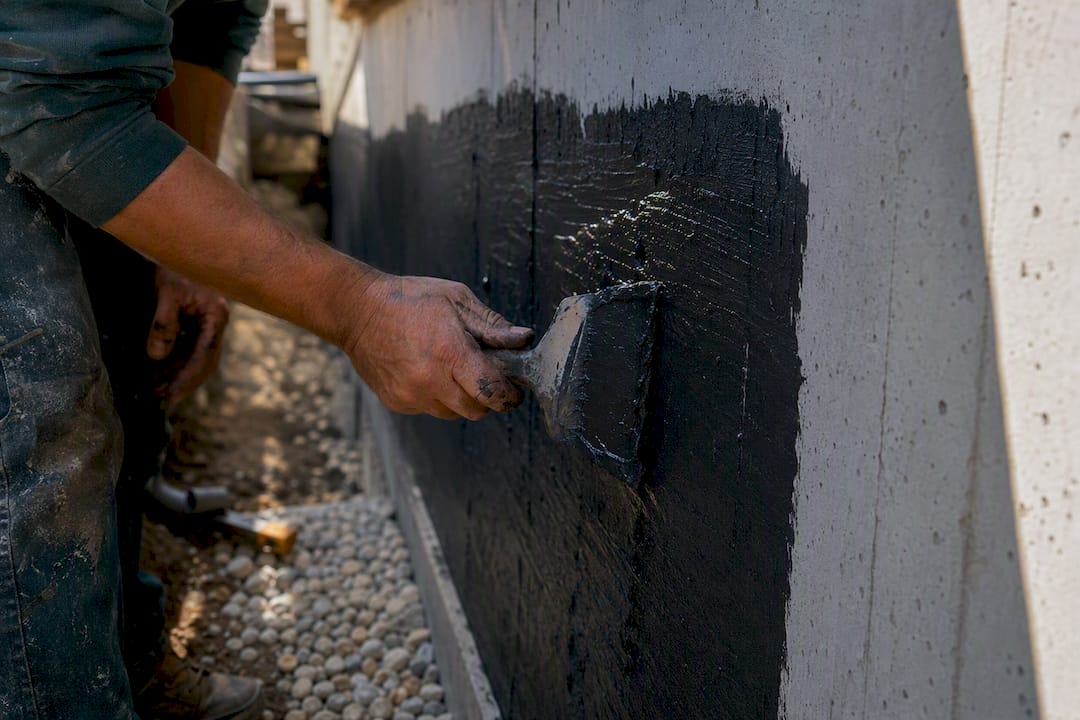
Fix grading and downspouts first: it’s the cheapest step and solves a surprising share of minor moisture problems. If water still gets in, interior perimeter drains with a sump pump handle recurring seepage, exterior excavation and membrane systems stop water at the foundation wall for structural or wall-face issues, and crack injection resolves isolated cracks. Diagnose before you spend.
TL;DR:
Fix grading and downspouts first, as this inexpensive step addresses most minor moisture issues and prevents unnecessary excavation.
Exterior waterproofing methods are suitable for wall-face seepage, bowing walls, or active leaks, but they involve significant cost and yard disruption.
Interior systems like perimeter drains and sump pumps manage water ingress but do not prevent water from reaching the foundation, making diagnosis crucial.
Proper diagnosis guides the most cost-effective solution, with some problems requiring simple fixes and others needing extensive excavation and structural repair.
Routine maintenance, including sump pump testing and gutter cleaning, is essential to prevent moisture problems and ensure system reliability.
Table of Contents
What Basement Waterproofing Methods Actually Solve
Exterior Waterproofing: Stopping Water Before It Reaches the Wall
Interior Waterproofing: Managing Water Once It’s Already In
How to Match the Method to Your Basement’s Actual Problem
What Waterproofing Actually Costs and How Long It Takes
Hiring the Right Contractor for Waterproofing Work
Routine Maintenance and Quick Troubleshooting
How Climate and Soil Type Change the Right Method
Building Codes and Legal Requirements for Waterproofing Work
A Contractor’s View on Sequencing Waterproofing Work
Get a Basement Inspection From a Local Omaha Contractor
Sources
What Basement Waterproofing Methods Actually Solve
Every basement waterproofing method targets a specific water problem, and matching the wrong fix to the wrong symptom wastes money. A dehumidifier won’t stop a flooding sump pit, and an $18,000 exterior excavation is overkill for condensation on a cold pipe.
Grading and drainage fixes: correct surface water and downspout runoff, the most common source of “minor” basement dampness.
Sealants and masonry coatings: address light surface moisture but do nothing against real water pressure.
Crack injection: repairs an isolated structural or active-leak crack without touching the rest of the wall.
Interior perimeter drains with sump pumps: manage water that has already penetrated the slab or wall/floor joint.
Exterior membranes and drain tile: stop water before it reaches the foundation, used for wall-face seepage or bowing.
Diagnosis drives the decision here more than product marketing does. A basement that “just feels damp” needs a different answer than one with a visible stream running down a block wall after every storm.
Exterior Waterproofing: Stopping Water Before It Reaches the Wall
Exterior fixes work at the source, which is why contractors reach for them when water is actively pushing through the wall itself rather than just seeping along a floor joint.
Start with grading. The University of Minnesota Extension recommends at least 6 inches of slope over the first 10 feet away from the foundation, paired with downspout extensions running 5 to 10 feet (or farther) from the house. This single fix, costing next to nothing, resolves a meaningful share of “leaky basement” complaints before anyone touches a shovel for real excavation.
When grading and gutters aren’t enough, exterior membrane installation involves:
Excavating down to the footing along the affected wall
Applying a liquid membrane or sheet coating directly to the foundation
Adding a drainage board to channel water down instead of letting it pool against the wall
Installing exterior drain tile (a perforated pipe in gravel at the footing) that carries water to daylight, a dry well, or the storm system
Backfilling and restoring the landscape, which often means new sod, shrubs, or hardscaping
Exterior work makes sense for bowing walls, water visibly seeping through the wall face, or a failed system from a previous owner. It’s disruptive: expect trenching around the entire perimeter or affected section, and expect your yard to look rough for a few weeks after backfill. The Basement Moisture Lab’s system comparison notes that exterior jobs run considerably higher in cost than interior alternatives precisely because of this excavation and restoration work.
Pro Tip: Before hiring anyone for exterior work, walk your own yard after the next hard rain and watch where water actually pools. Half the time, a $10 downspout extension fixes what looks like a foundation problem.
Interior Waterproofing: Managing Water Once It’s Already In
Interior systems don’t stop water from reaching your foundation. They catch it once it arrives and move it out before it becomes standing water on your floor.
Sealants and masonry coatings sit at the low end of this category, running roughly $50 to $150 per bucket. They block minor dampness and vapor transfer, but they fail under real hydrostatic pressure, according to the Basement Moisture Lab. Don’t rely on paint-on sealant as your only line of defense against active water intrusion.
Crack injection handles isolated problems well. Epoxy injection bonds a structural crack back together and restores wall strength, while polyurethane foam expands into active, weeping cracks to stop water flow even if the crack is still moving slightly. Either method typically runs $400 to $900 per crack, and it’s often the single most cost-effective fix on this list when the damage is limited to one or two visible cracks.
For water that’s coming in along the slab edge or through multiple points, an interior perimeter drain is the workhorse solution. Installation means cutting a channel along the interior edge of the slab, laying perforated pipe in gravel, and routing that water to a sump pit. This Old House puts typical costs for a full interior drain and sump system at $3,000 to $8,000, usually completed in one to three days.
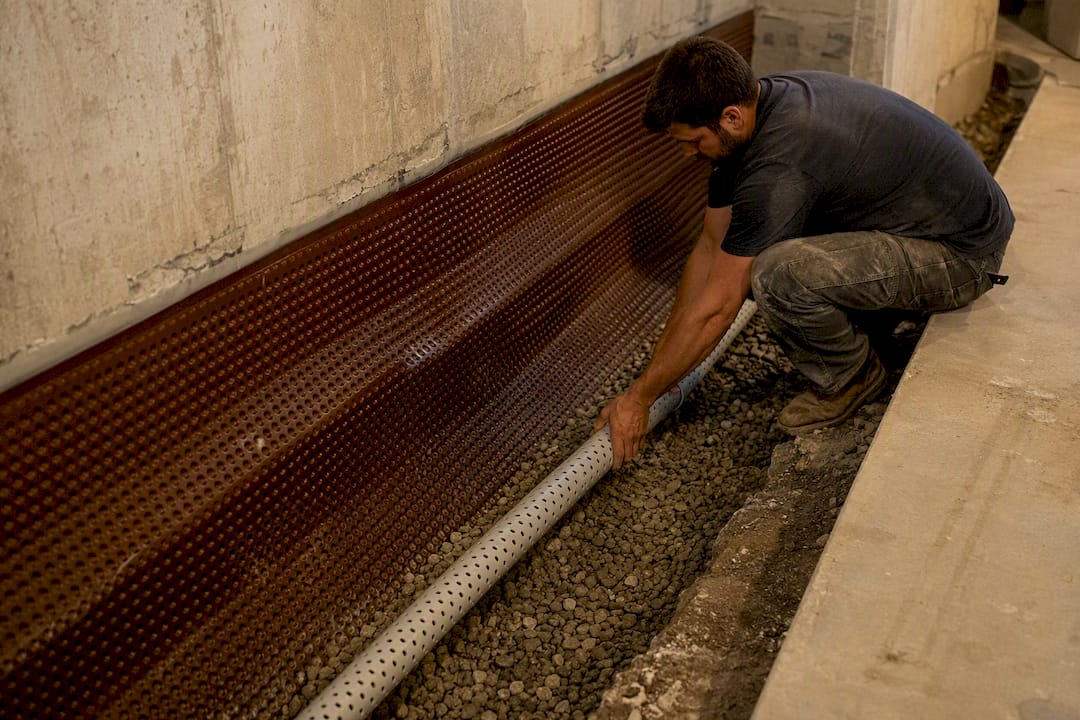
Stone and irregular block foundations often weep water down the wall face rather than through a single crack. In those cases, interior dimple mats or wall membranes channel that seepage down to the perimeter drain instead of letting it puddle on the floor.
The sump pump itself deserves attention most homeowners skip. A quality unit lasts 7 to 10 years, and pairing it with a battery backup matters because, as This Old House points out, the storms that flood basements are often the same storms that knock out power. Compared with a passive French drain, a sump pump actively removes water but depends on electricity, according to Angi’s comparison of the two systems, so backup power isn’t optional if you’re relying on a pump.
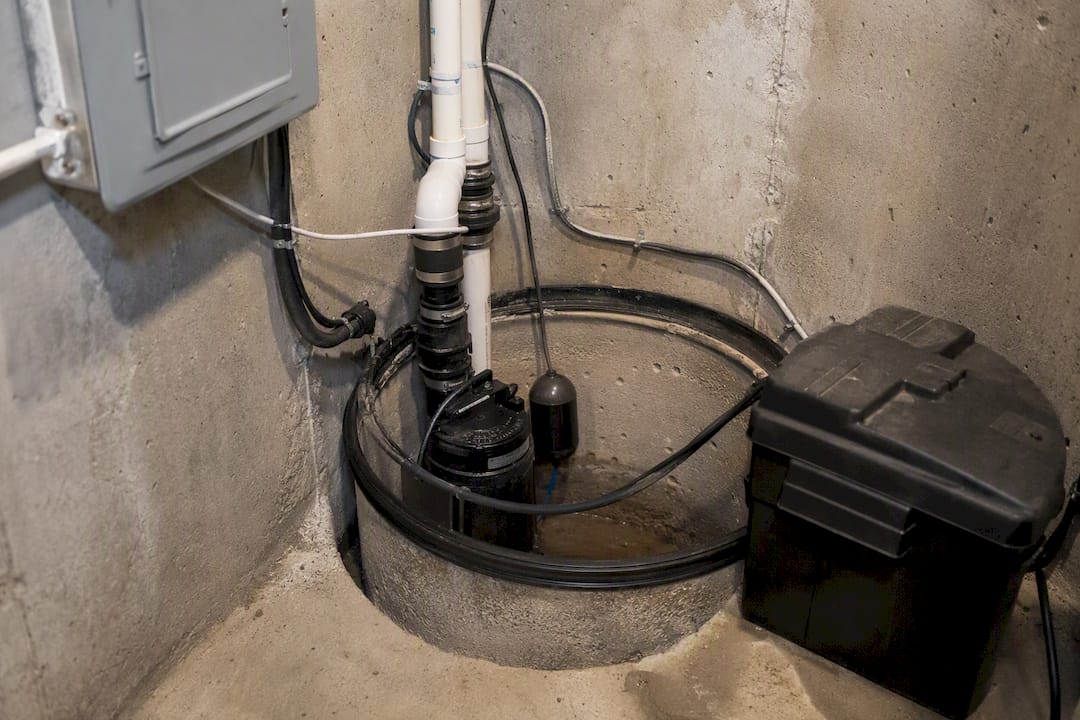
Pro Tip: Test your sump pump twice a year by pouring a five-gallon bucket of water into the pit. If the float switch doesn’t trigger within a few seconds, you’ve got a problem before the next storm finds it for you.
How to Match the Method to Your Basement’s Actual Problem
Work through this before calling anyone for a quote, because it determines whether you need a $100 fix or a $20,000 one.
Musty smell, slightly damp air, no visible water: run a dehumidifier for two weeks before assuming you have a waterproofing problem at all.
Water appears near walls or floor edges after rain: check and fix grading and downspouts first, then wait for the next storm to see if the problem persists.
One visible crack, water tracking down from it: crack injection, epoxy for structural cracks, polyurethane for active leaks.
Water rising along the slab perimeter or from multiple spots after heavy rain: interior perimeter drain tied to a sump pump.
Water actively seeping through the wall face, bowing walls, or wide stair-step cracks in block: exterior excavation and structural repair, no interior fix substitutes for this.
The Polyguard interior vs. exterior comparison frames this the same way: start with the least invasive fix that matches your actual symptom, and escalate only when a cheaper step fails to solve it.
Horizontal cracks, walls that bulge inward, and stair-step cracks running through multiple mortar joints are red flags. Those point to structural movement, not just water intrusion, and no amount of interior drainage fixes a wall that’s failing.
When you do get contractor quotes, ask specifically where the drain terminates, what membrane or coating product they’re using, which sump pump model is spec’d, and what warranty covers pump failure versus wall leaks.
Pro Tip: Get the drain termination point in writing. A perimeter drain that dumps into a dry well ten feet from your foundation isn’t the same system as one that runs to the street, and the price difference should reflect that.
What Waterproofing Actually Costs and How Long It Takes
Costs vary enormously by method, which is exactly why matching the fix to the problem matters more than picking the “best” system in the abstract.
Grading and downspout fixes: $0 to $200, done in an afternoon.
Sealant or masonry coating: $50 to $150 per bucket, a weekend DIY job.
Crack injection: $400 to $900 per crack, usually completed in a few hours per crack.
Interior perimeter drain with sump pump: $3,000 to $8,000, according to This Old House, typically installed in one to three days.
Exterior excavation, membrane, and drain tile: $8,000 to $30,000 or more depending on scope, per the Basement Moisture Lab, spanning several days including landscape restoration.
A finished basement adds a layer of cost most homeowners don’t budget for: demolition of drywall and flooring before interior drain work, then rebuilding after. That can add thousands to what looks like a straightforward drain installation.
Lifespan matters too. Sump pumps generally need replacement every 7 to 10 years. Exterior membrane systems, properly installed, can last decades, but drain tile can clog with sediment over 15 to 20 years and may need flushing or partial replacement.
Hiring the Right Contractor for Waterproofing Work
A thorough bid tells you more than a low price ever will. Before signing anything, confirm the scope in writing:
Exact drain termination point (daylight, dry well, or storm system)
Membrane or coating product specified by name, not just “waterproof coating”
Sump pump model and whether battery backup is included
Warranty terms covering both material failure and installation workmanship
Landscape and hardscape restoration included in the price, not billed separately later
Permits for excavation and drainage work are typically pulled by the contractor, not the homeowner, and a reputable company won’t skip that step even when it slows the timeline. A quality inspection includes photos of existing conditions and moisture readings before work starts, giving both sides a clear record if a warranty question comes up later.
Spagnotti Contracting approaches basement work by starting with the cheapest diagnostic steps, correcting grading and gutters, confirming whether that solves the problem, and only escalating to interior drains or exterior excavation when the symptoms call for it. Homeowners planning a basement finish benefit from getting waterproofing addressed before drywall goes up, not after.
Routine Maintenance and Quick Troubleshooting
Waterproofing systems fail slowly, usually with warning signs weeks before an actual flood.
Pour-test your sump pump every six months and confirm the float switch triggers within a few seconds.
Check the battery backup’s charge and test it under a simulated power outage.
Clean gutters and downspout extensions at least twice a year, more often under heavy tree cover.
Watch for damp floor joints, recurring seepage after storms, or a pump cycling far more often than usual.
If seepage returns after you’ve already fixed grading and gutters, that’s your signal to call a contractor rather than keep troubleshooting yourself.
How Climate and Soil Type Change the Right Method
Clay soils, common across much of the Midwest, hold water and expand against foundation walls, which is why exterior hydrostatic pressure shows up more aggressively in clay-heavy regions than in sandy soil that drains quickly on its own. Homes in these areas often need interior drainage even when the exterior looks dry, because the pressure pushes water through the wall/floor joint rather than the wall face.
Freeze-thaw cycles add another variable. Water that pools near a foundation and freezes expands, widening existing cracks each winter. That’s part of why grading fixes matter more in cold climates: preventing pooling in fall reduces how much damage a hard freeze does months later.
Rainfall intensity and frequency shift which method makes sense too. A region with frequent, moderate rain puts steady pressure on a sump system, meaning pump reliability and backup power matter more than in a dry climate with occasional heavy downpours. FEMA’s flood preparedness guidance treats surface water control as the homeowner’s first line of defense precisely because it reduces the volume any interior or exterior system has to handle later.
Soil moisture consistency also affects material choice for exterior work. Bentonite clay panels, sometimes used as a self-healing alternative to standard membrane, work well in consistently moist soils where they stay hydrated, but they perform poorly in dry climates and can wash out if groundwater moves quickly before the material fully hydrates.
None of this changes the diagnostic order. Fix surface water first regardless of climate, then let the actual symptom, not the region’s general reputation for wet or dry weather, dictate whether you need an interior system, an exterior system, or both.
Building Codes and Legal Requirements for Waterproofing Work
Basement waterproofing work frequently falls under local building codes because it involves excavation, drainage discharge, and sometimes structural repair. Requirements vary significantly by city and county, so specifics depend on where you live.
Excavation near a foundation typically requires a permit, particularly when it involves digging below a certain depth or altering the drainage path around the house. Discharge points for sump pumps and exterior drain tile are often regulated too. Many municipalities prohibit discharging sump pump water directly into the sanitary sewer system, requiring it instead to daylight, a dry well, or the storm sewer. Discharging into the wrong system can result in fines and, in some cases, requirements to redo the work.
Structural repairs, anything addressing bowing walls or significant cracking, sometimes require an engineer’s assessment before a permit is issued, since these fixes touch the integrity of the foundation itself.
A licensed, local contractor generally handles the permitting process as part of the job rather than leaving it to the homeowner, which matters because unpermitted excavation or drainage work can create problems during a future home sale or insurance claim. Ask directly during the bidding process whether permits are included in the quoted price, and get that answer in writing rather than assuming it’s covered.
Because these rules differ by jurisdiction, treat any specific code requirement mentioned here as a starting point for questions to your local building department or a contractor familiar with your area, not as a final answer for your address.
A Contractor’s View on Sequencing Waterproofing Work
Most homeowners want a single fix, one product, one number, done. The reality is that most basements that flood or seep are dealing with two or three overlapping issues at once: bad grading, an undersized drain, and one crack that’s been slowly widening for years. Treating any one of those in isolation looks like a fix until the next heavy rain proves otherwise.
The sequencing matters more than the specific product. Correct the surface water problem first, confirm it actually helped, then decide whether what’s left needs interior drainage, targeted injection, or exterior excavation. Skipping straight to the most expensive option because it sounds more thorough isn’t caution, it’s guessing with a bigger budget. Spagnotti Contracting treats basement work this way: diagnose, fix the cheap thing, retest, then scope whatever’s left. A drain and sump combined with a targeted wall membrane on a stone foundation solves problems that neither one fixes alone, and knowing which combination applies to your specific basement is the part a generic product comparison can’t tell you.
— Noah
Get a Basement Inspection From a Local Omaha Contractor
If you’ve walked through the diagnostic steps above and you’re still seeing water, the next move is a professional inspection, not another bucket of sealant. Spagnotti Contracting handles basement waterproofing prep and finishing for homeowners across the Omaha metro, from grading and gutter corrections through interior drain and sump installation to full basement finishing once the water problem is solved.

Because Spagnotti Contracting is local, they know how clay-heavy Nebraska soil and freeze-thaw winters affect foundation performance differently than national franchise guides typically account for. They handle the permitting, the drainage discharge planning, and the landscape restoration as part of one coordinated project rather than passing you between subcontractors. If you’re weighing whether your basement needs a $200 gutter fix or a full exterior excavation, request an estimate from Spagnotti Contracting’s residential services page and get a straight answer before you spend on the wrong fix.
Sources
Moisture in basements: causes and solutions — University of Minnesota Extension
Basement waterproofing systems comparison — Basement Moisture Lab
Recommended
Dealing With Something Similar?
Every property is different, but if this sounds like what you’re seeing, we’re happy to take a look and help you figure out what’s actually going on.